Tokyo or Kyoto
Kimono Experience
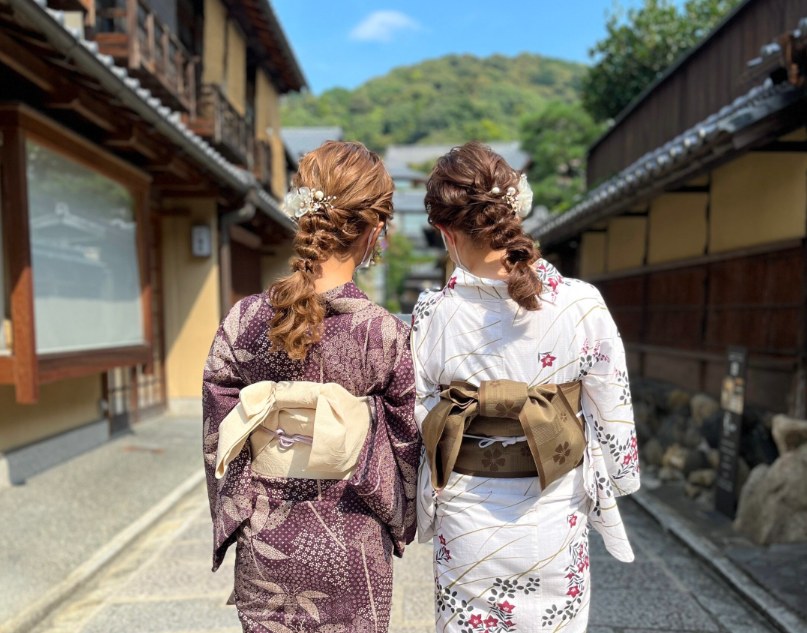
Slip into a kimono and stroll temple streets at a gentler pace. Choose styles by weather and walking distance; yukata are available in summer.
Destinations
An ancient capital with over 1,600 temples and shrines
Destinations
Slow culture / heritage
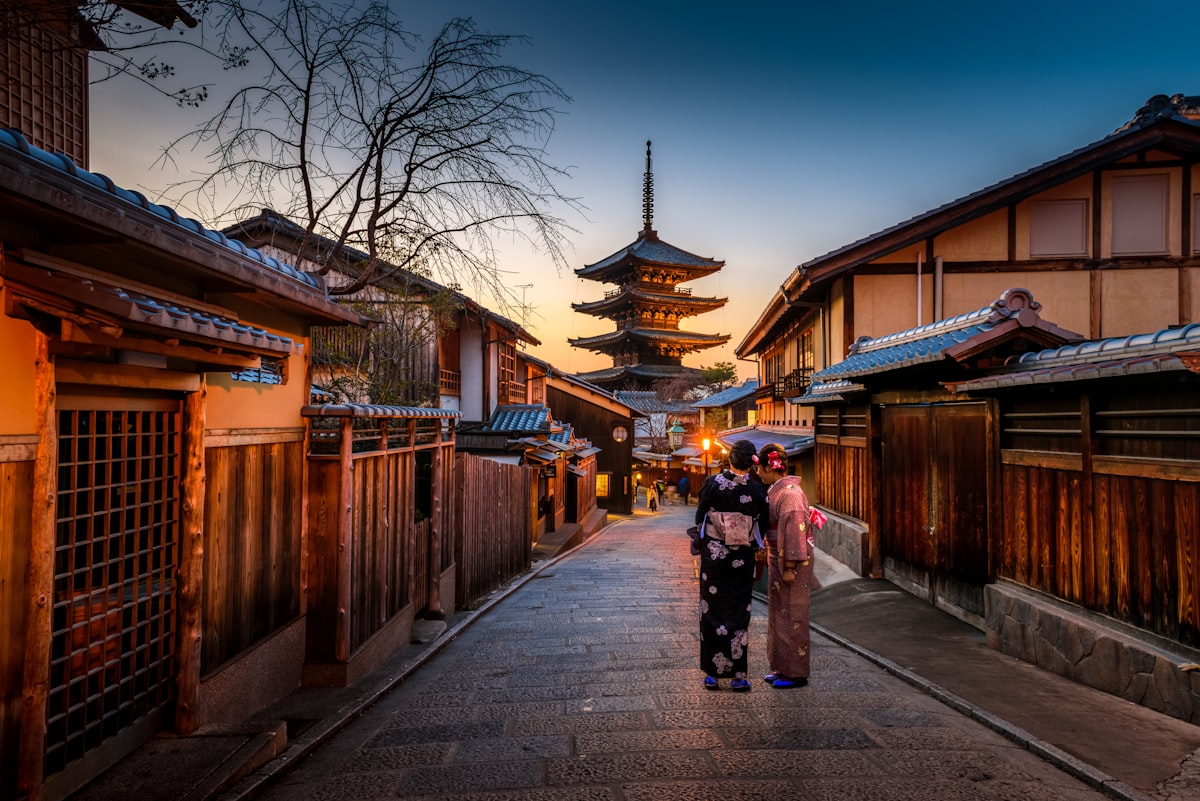
Early temples, garden walks, and Gion lanes give Kyoto a slower Japan. Perfect for kimono, tea, wagashi, and old-town evenings.
Destinations
Slip into a kimono and stroll temple streets at a gentler pace. Choose styles by weather and walking distance; yukata are available in summer.
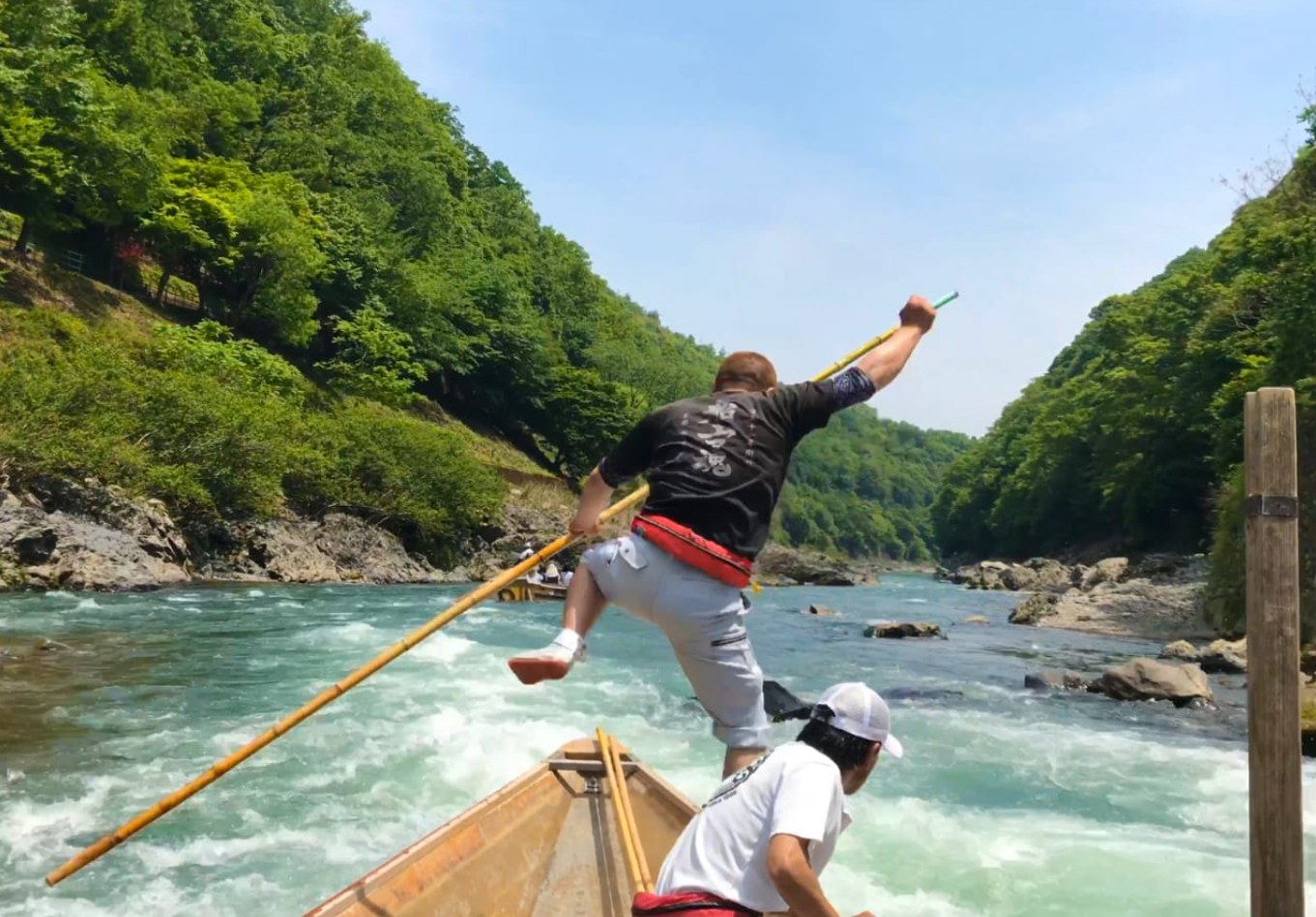
The Hozu River runs through Kyoto and Kameoka to the west. Steep hills frame a scenic gorge; autumn colors make boat trips especially fine. A Hozugawa boat ride places you right inside that landscape.
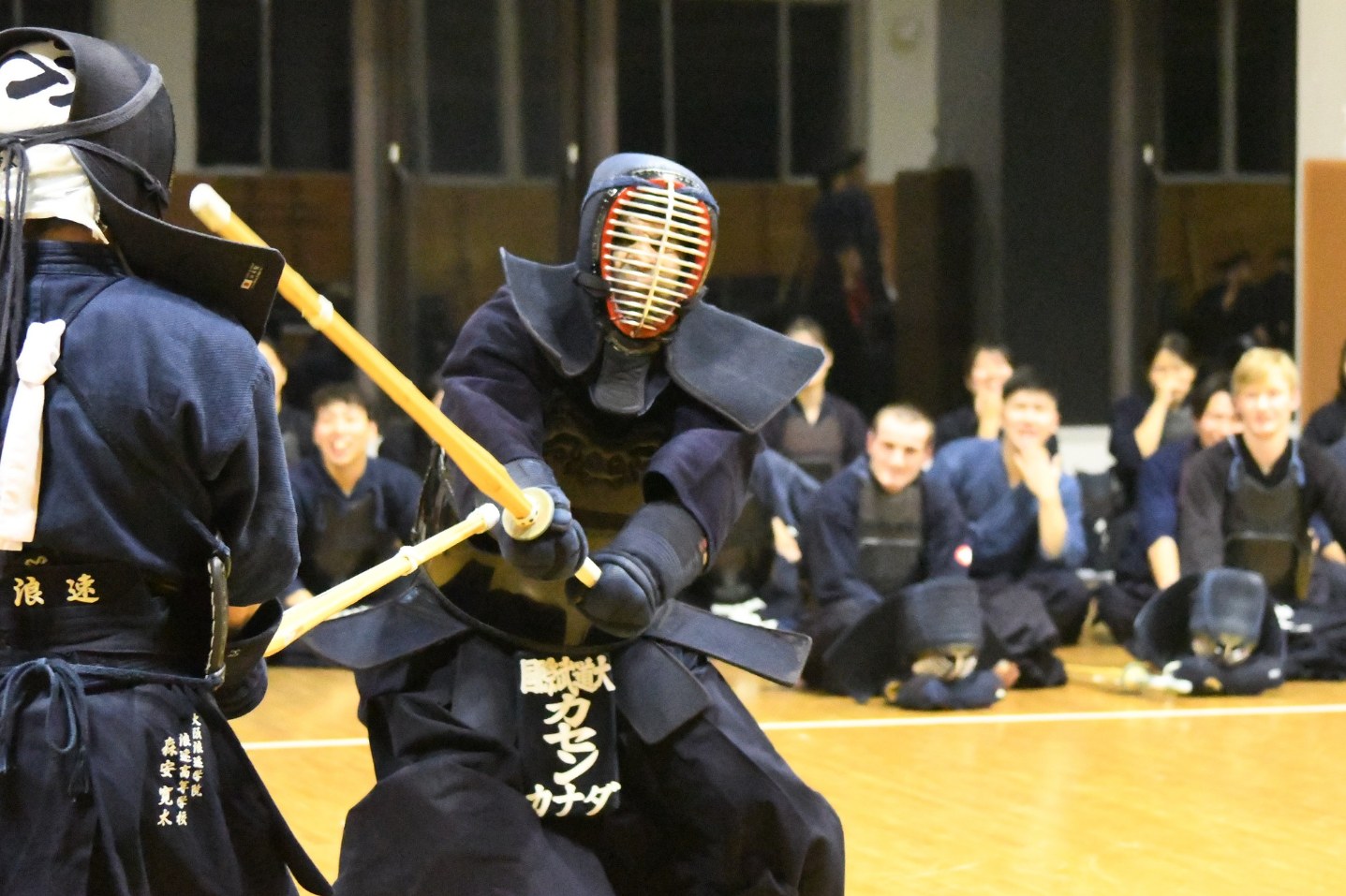
Trying kendo in Japan is a deep cultural experience—wear the armor, step into a “samurai” mindset, and feel traditional budo spirit and etiquette first-hand.
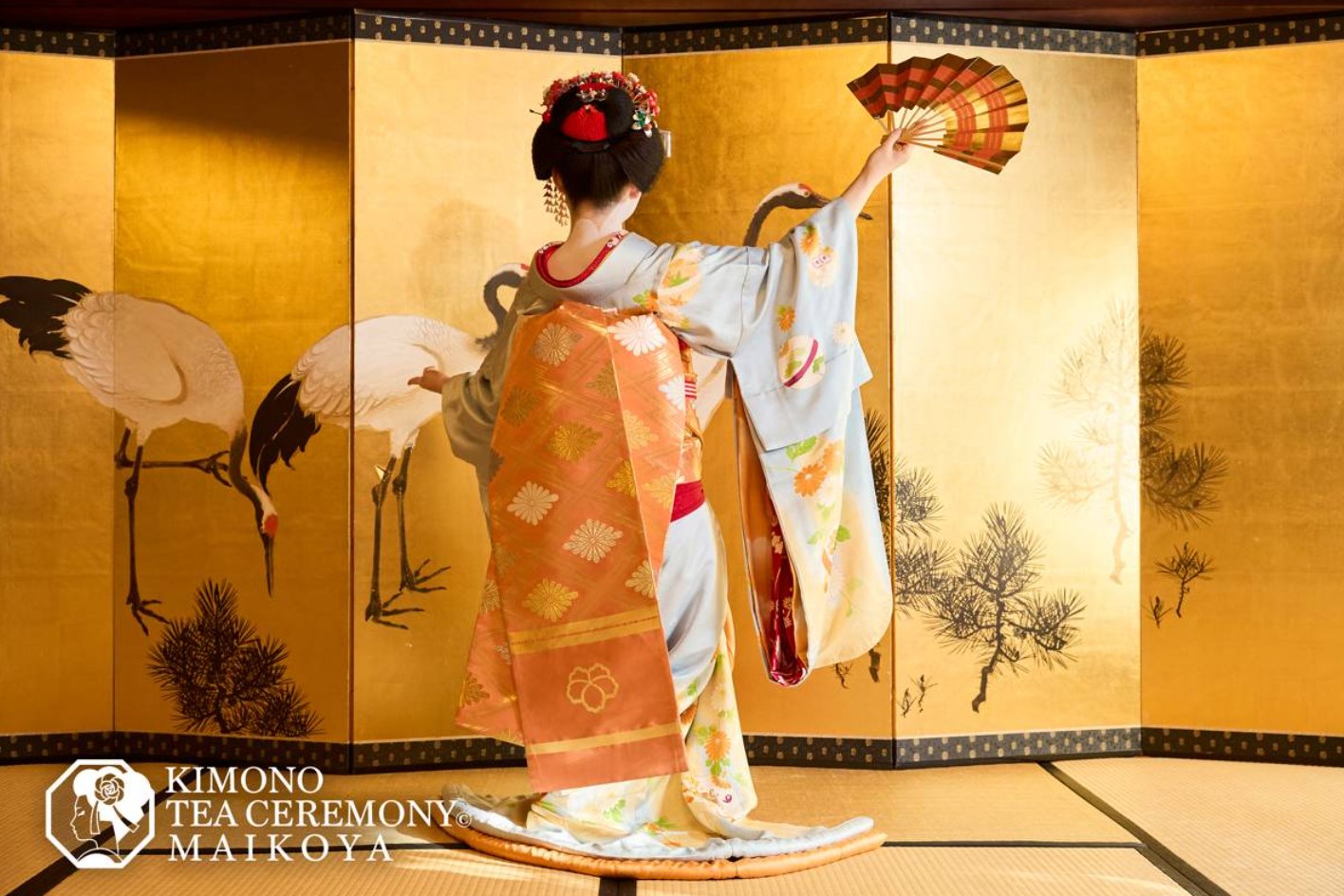
Geisha are rigorously trained performing artists of Japanese tradition, skilled in dance, music, tea, flower arranging, and hospitality, entertaining at banquets and teahouses.
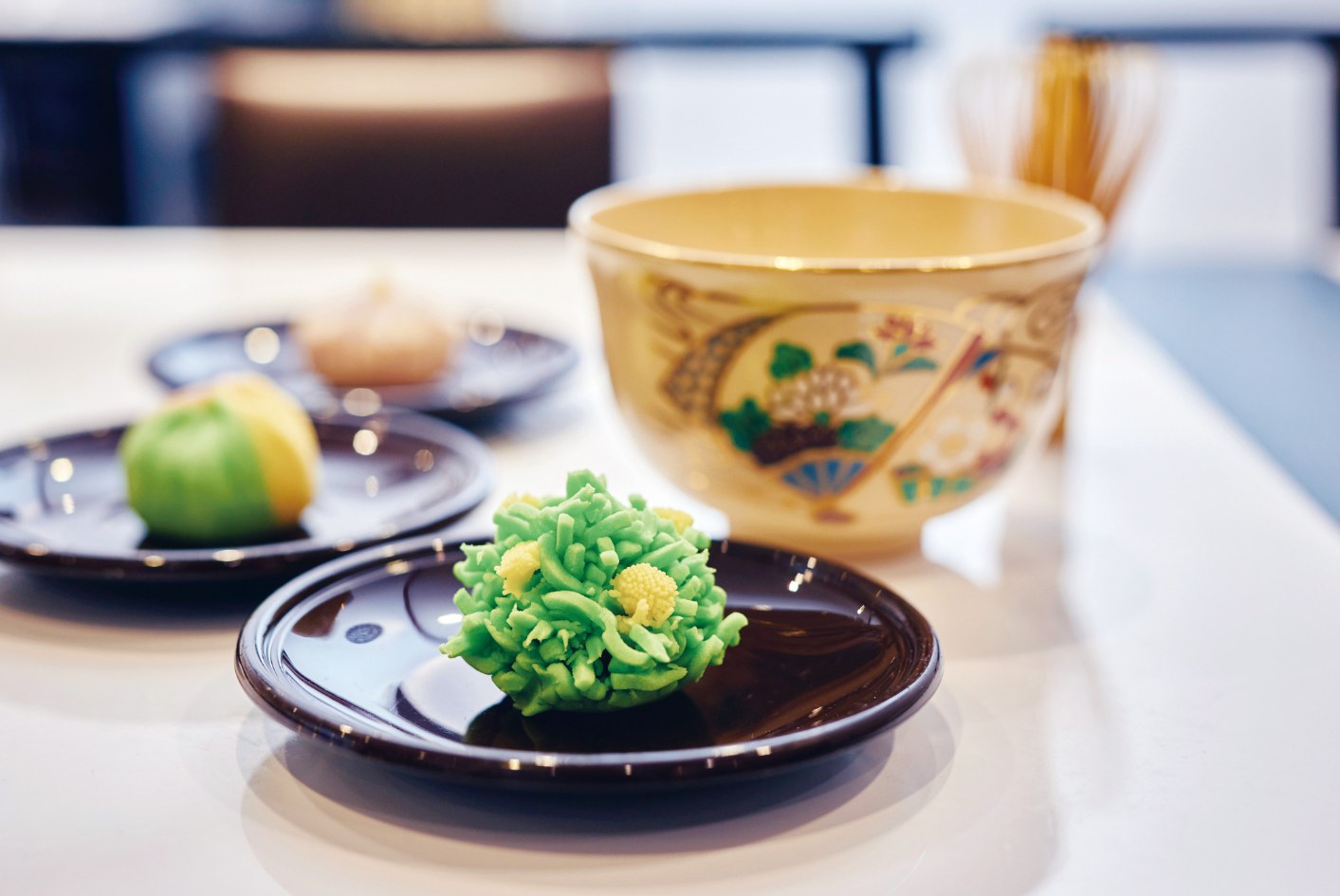
Wagashi are refined tea sweets and edible art shaped by seasonal aesthetics and craftsmanship, respecting natural flavors and subtle colors.
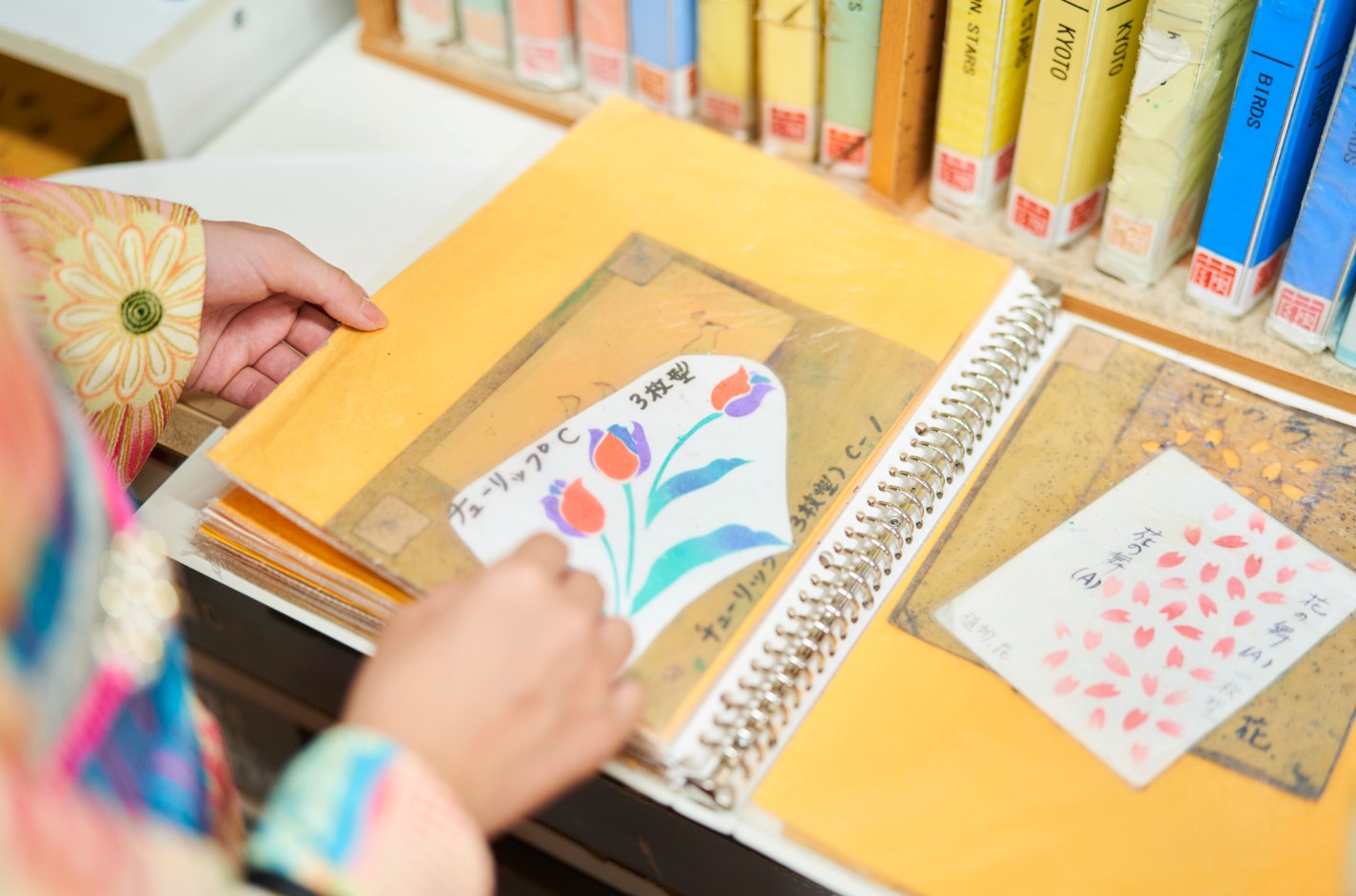
Kyo-yuzen is Kyoto's signature textile dyeing, born in the mid-Edo period when fan painter Miyazaki Yuzensai applied fan designs to kimono cloth. Hand-painted patterns, soft gradients, and courtly elegance make it a peak of kimono culture.
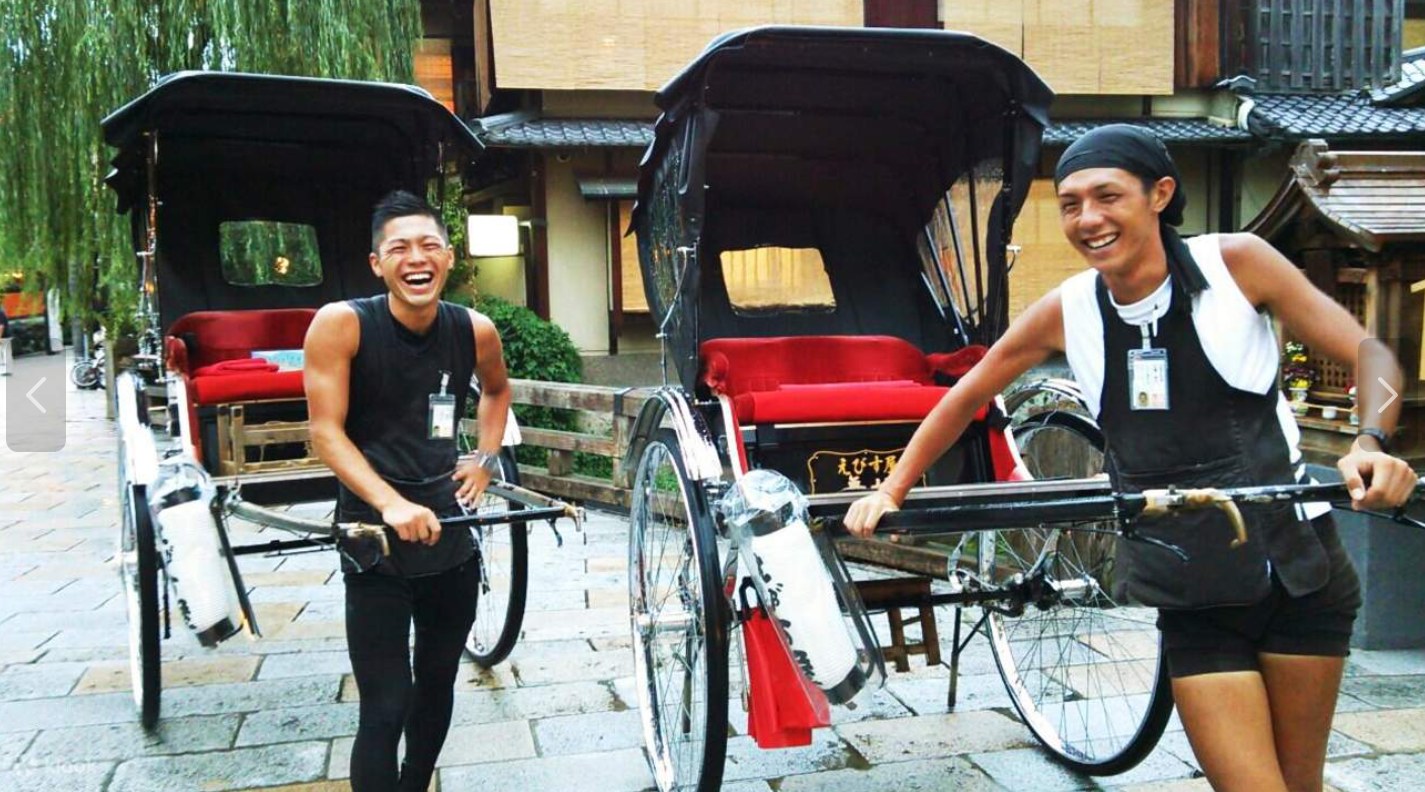
Japan's rickshaw began in the early Meiji era (around 1868) as short-trip transport in cities like Tokyo and Kyoto. After cars and bicycles took over daily travel, it survived as a cultural experience at major tourist sites.