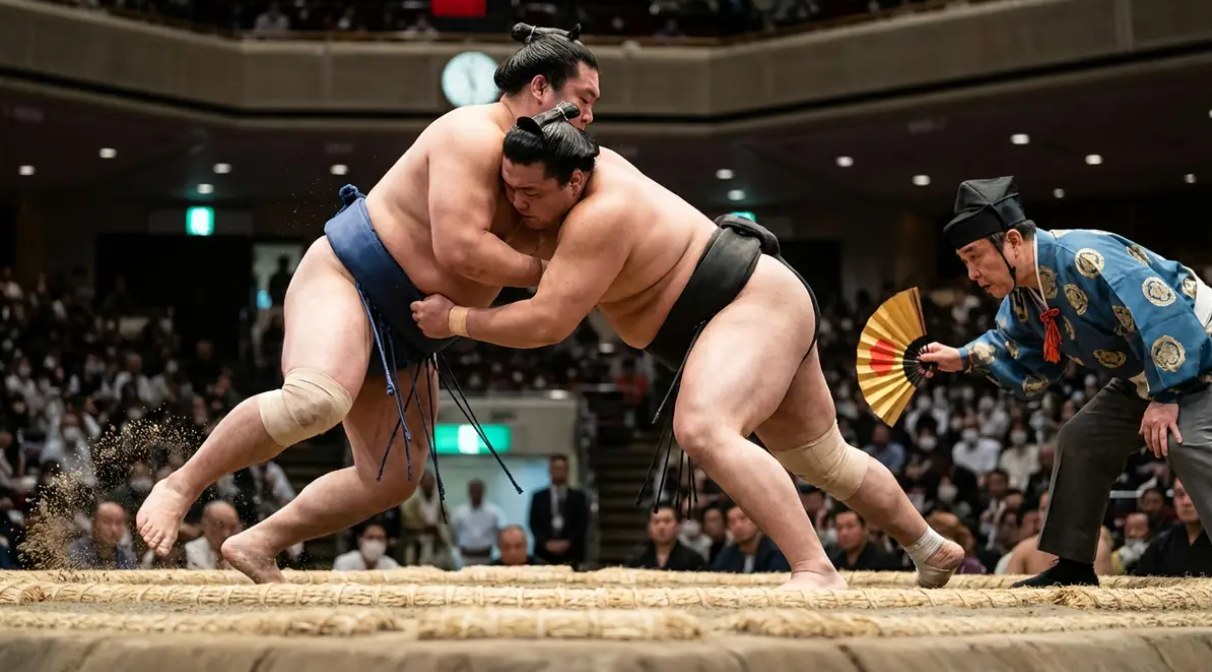
Grand Sumo Experience
Feel the tension of the wrestlers' entrance and pre-bout rituals in Ryogoku. Tournament dates and seats follow official arrangements—allow extra travel time.
New Japan · Heart Experiences
Whether it is an elegant geisha performance, an overnight temple stay, a boat ride through a deep river gorge, a private cooking class, rocking out at a music festival, or unwinding on a secluded beach—Japan is yours to explore.
Feel the tension of the wrestlers' entrance and pre-bout rituals in Ryogoku. Tournament dates and seats follow official arrangements—allow extra travel time.
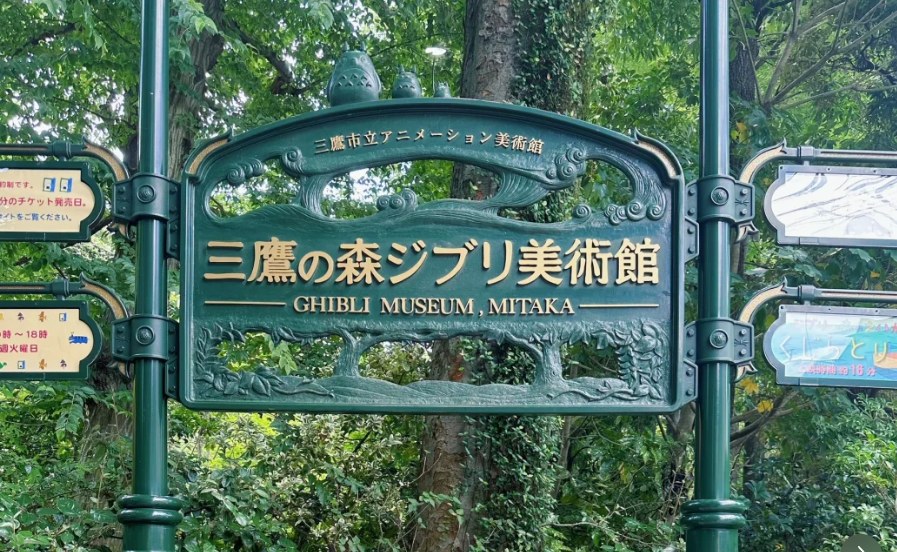
A quiet visit woven from animation, architecture, and light. Entry methods and exhibitions may change—please check official notices.
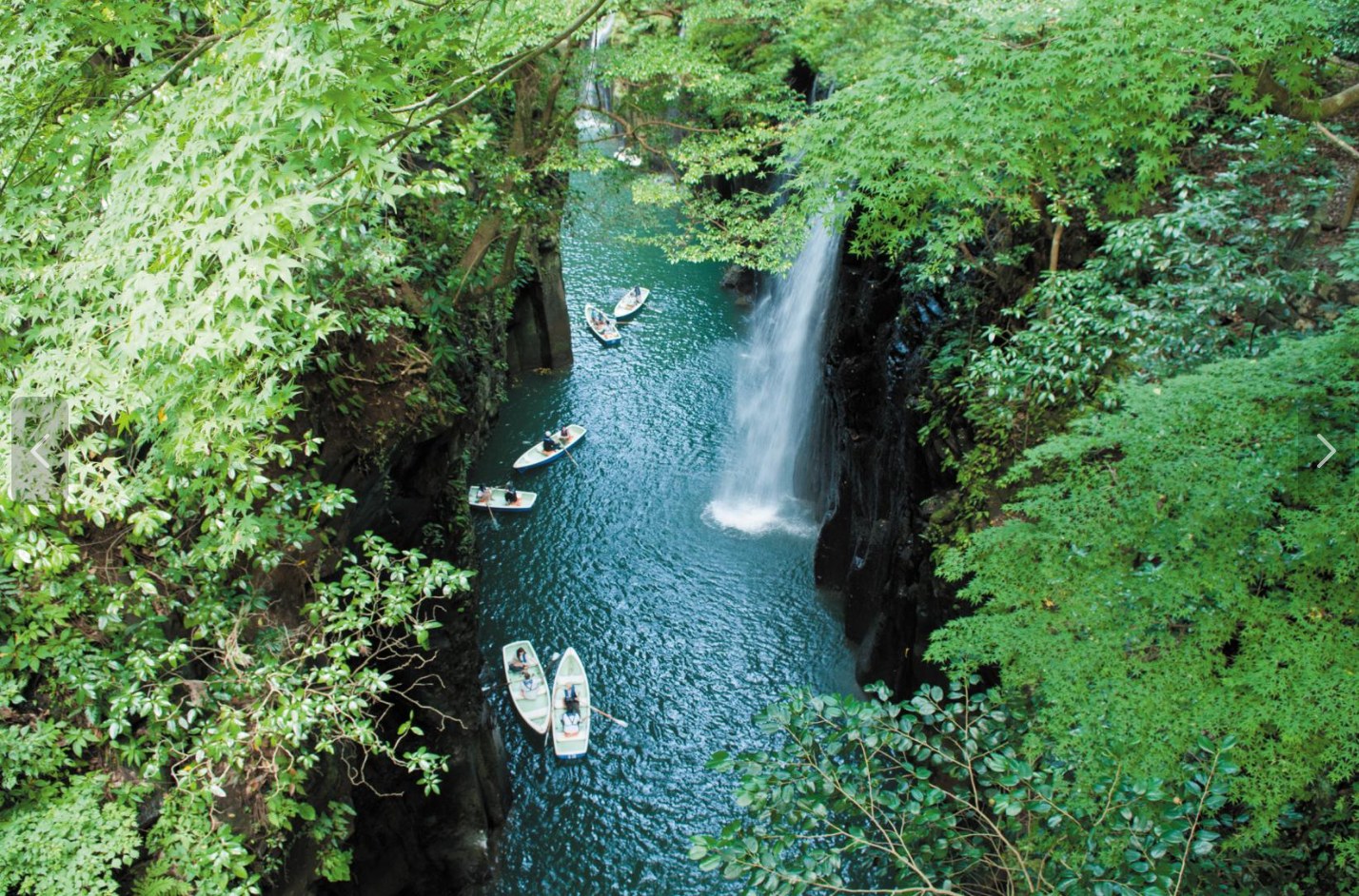
Takachiho Gorge is a columnar joint canyon formed when ancient lava cooled rapidly. Paddle between the cliffs and look up as Manai Falls drops 17 meters in a rush of spray—nature at its most striking.
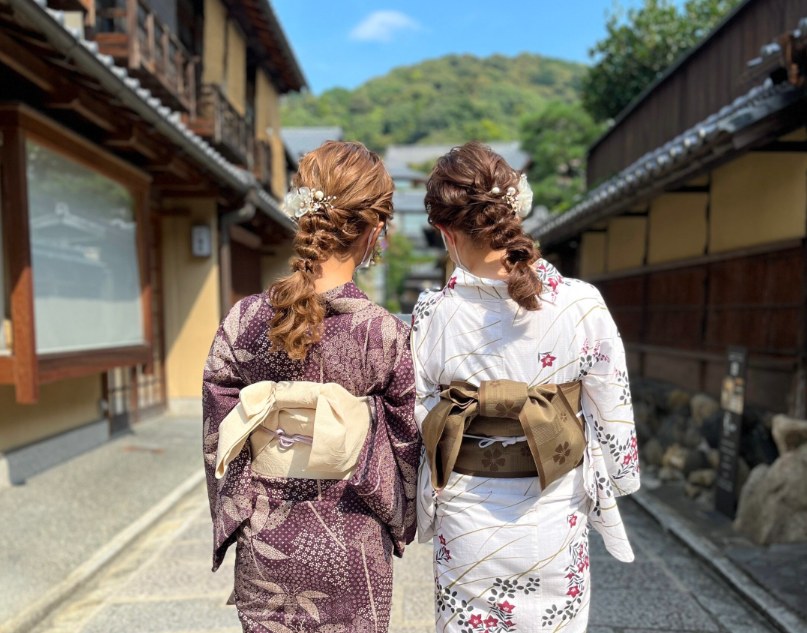
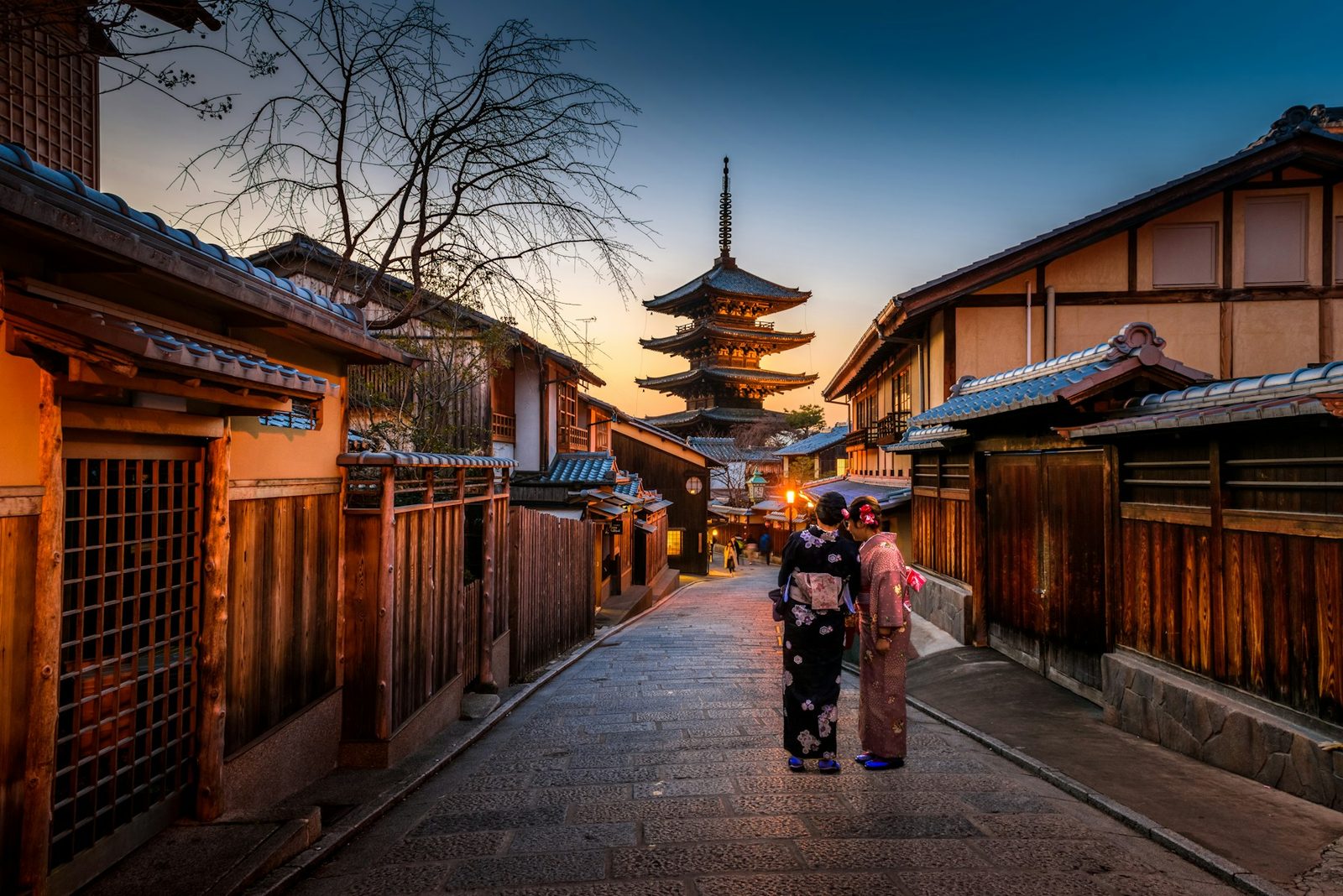
Slip into a kimono and stroll temple streets at a gentler pace. Choose styles by weather and walking distance; yukata are available in summer.
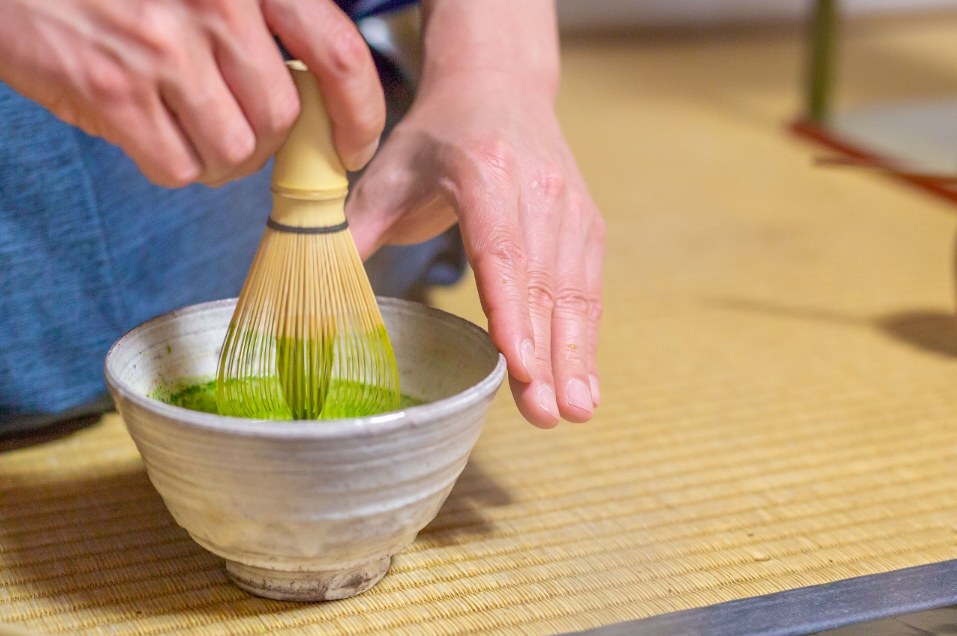
Discover matcha, utensils, and hospitality between garden and tea room. Watch quietly or take part—ideal for slowing the itinerary.
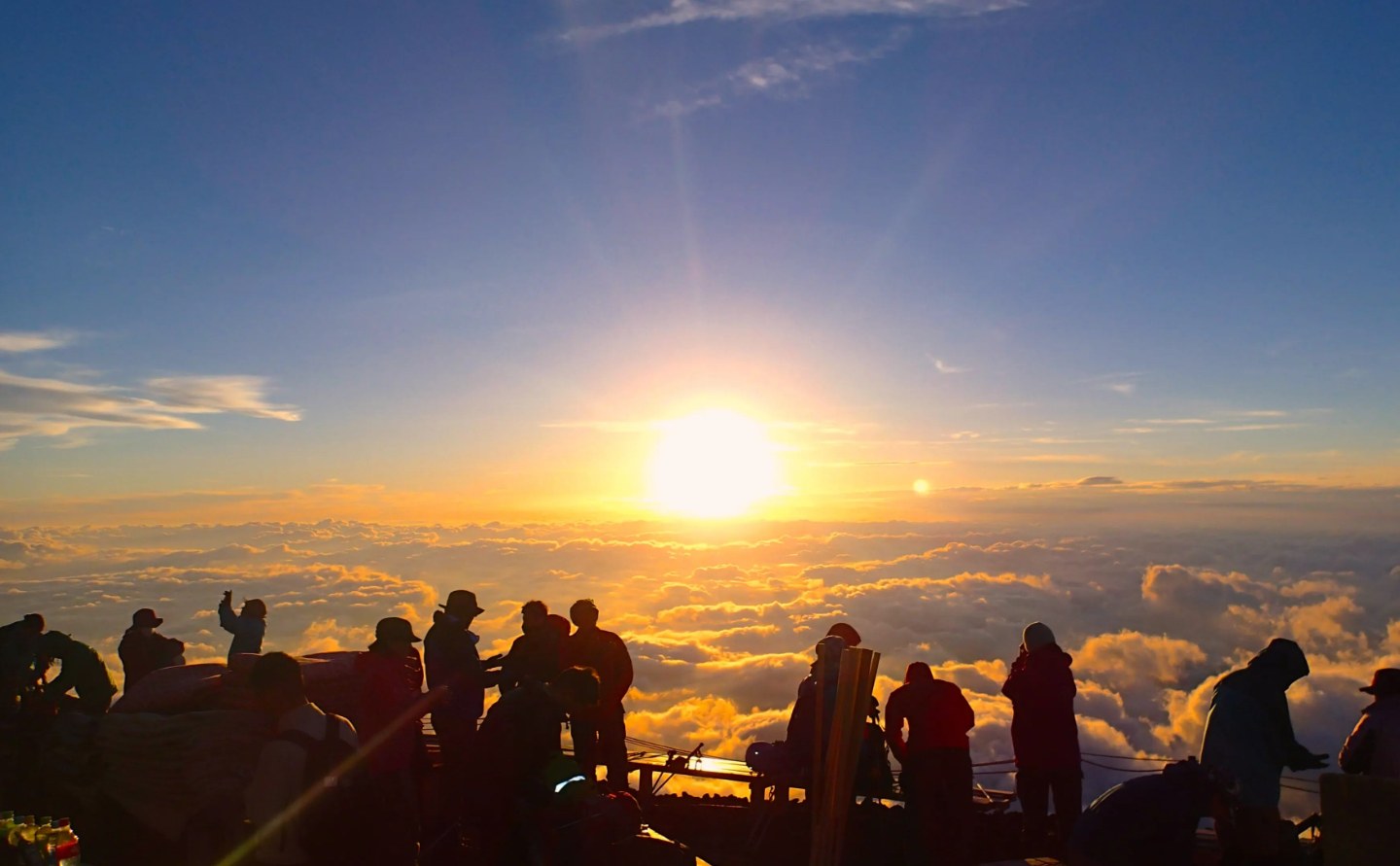
Climb Japan's highest peak (3,776 m) and watch the “Goraiko” sunrise from the summit—an unforgettable memory for a lifetime.
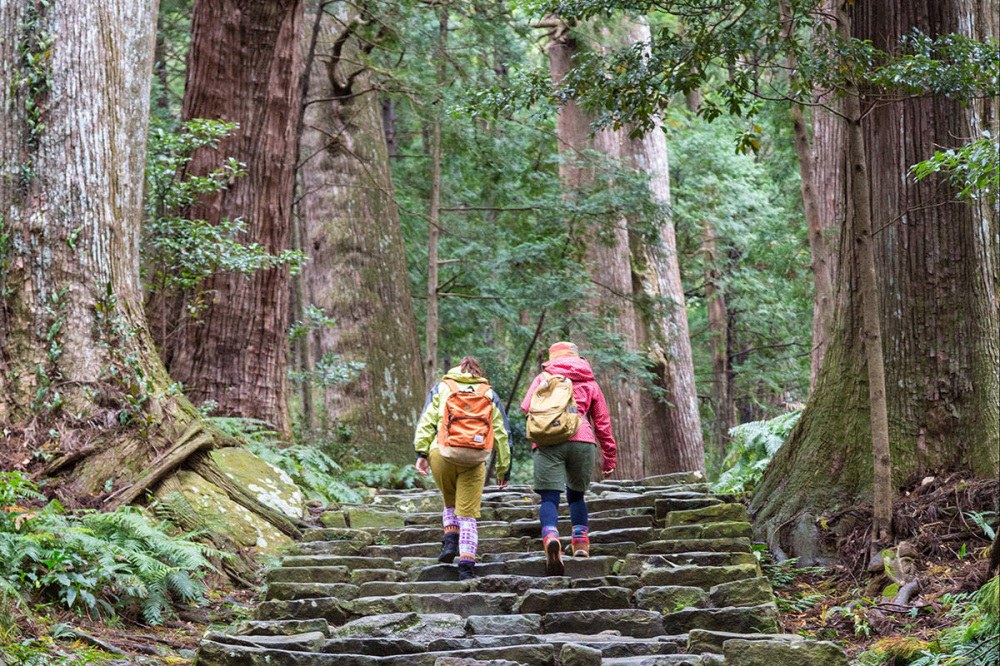
The Kumano Kodo is among the world's most famous pilgrimage trails, winding through the Kii Peninsula across Wakayama, Nara, Osaka, and Mie. For over a thousand years pilgrims have walked it seeking spiritual awakening; modern travelers come for quiet reflection, nature, and Japan's spiritual history.
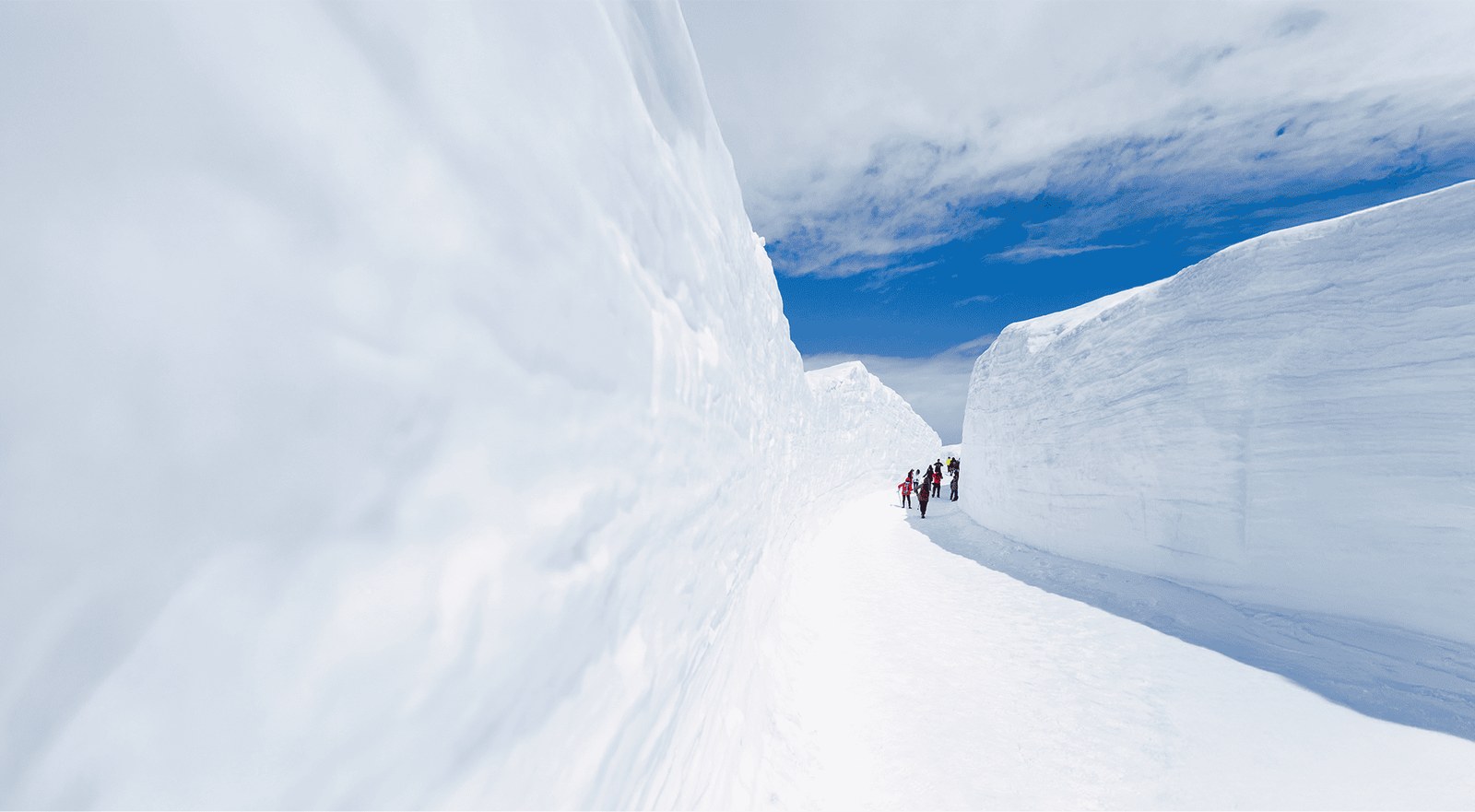
The Alpine Route opens mid-April and closes late November, with snow walls in winter and autumn foliage. Crossing Japan's Northern Alps is spectacular—these high peaks are called the “Roof of Japan.” Walk the towering snow corridor, ride cable cars, and take in Toyama's mountain views.
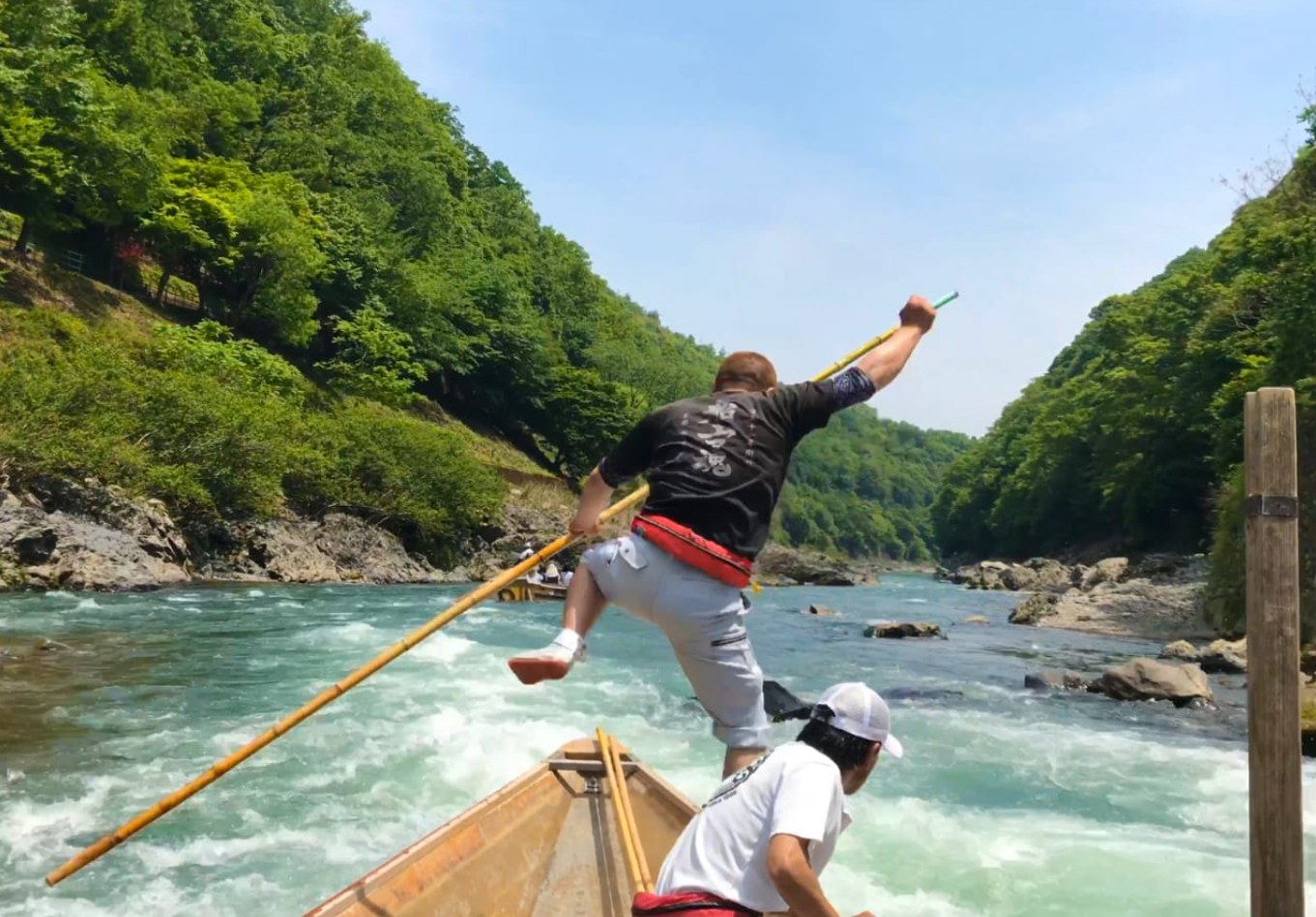
The Hozu River runs through Kyoto and Kameoka to the west. Steep hills frame a scenic gorge; autumn colors make boat trips especially fine. A Hozugawa boat ride places you right inside that landscape.
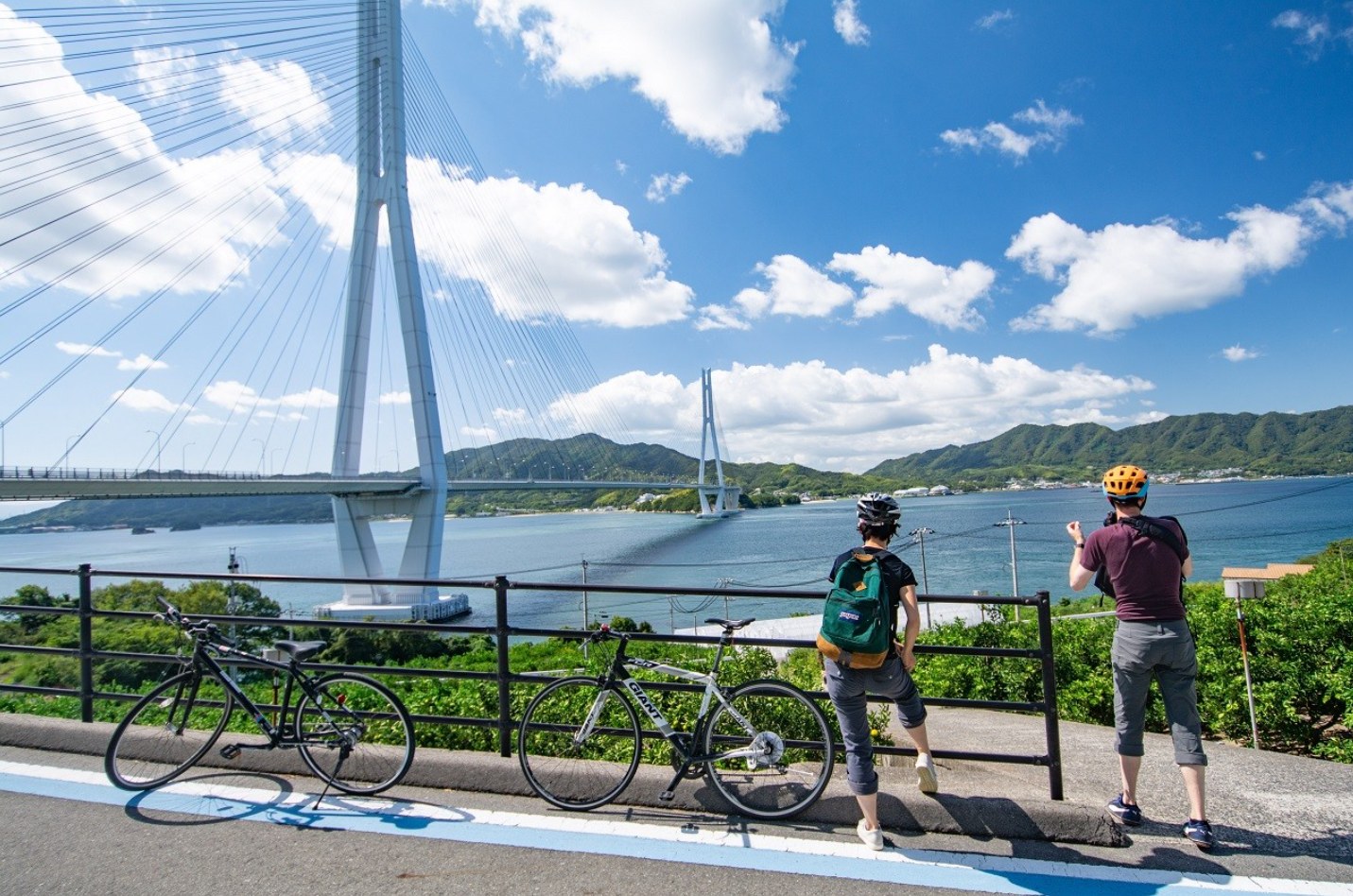
The Shimanami Kaido spans about 70 km from Onomichi to Imabari, past glittering sea, white beaches, and green islands. Cycle or drive across architectural marvels of bridges to find museums, gardens, and temples on each island.
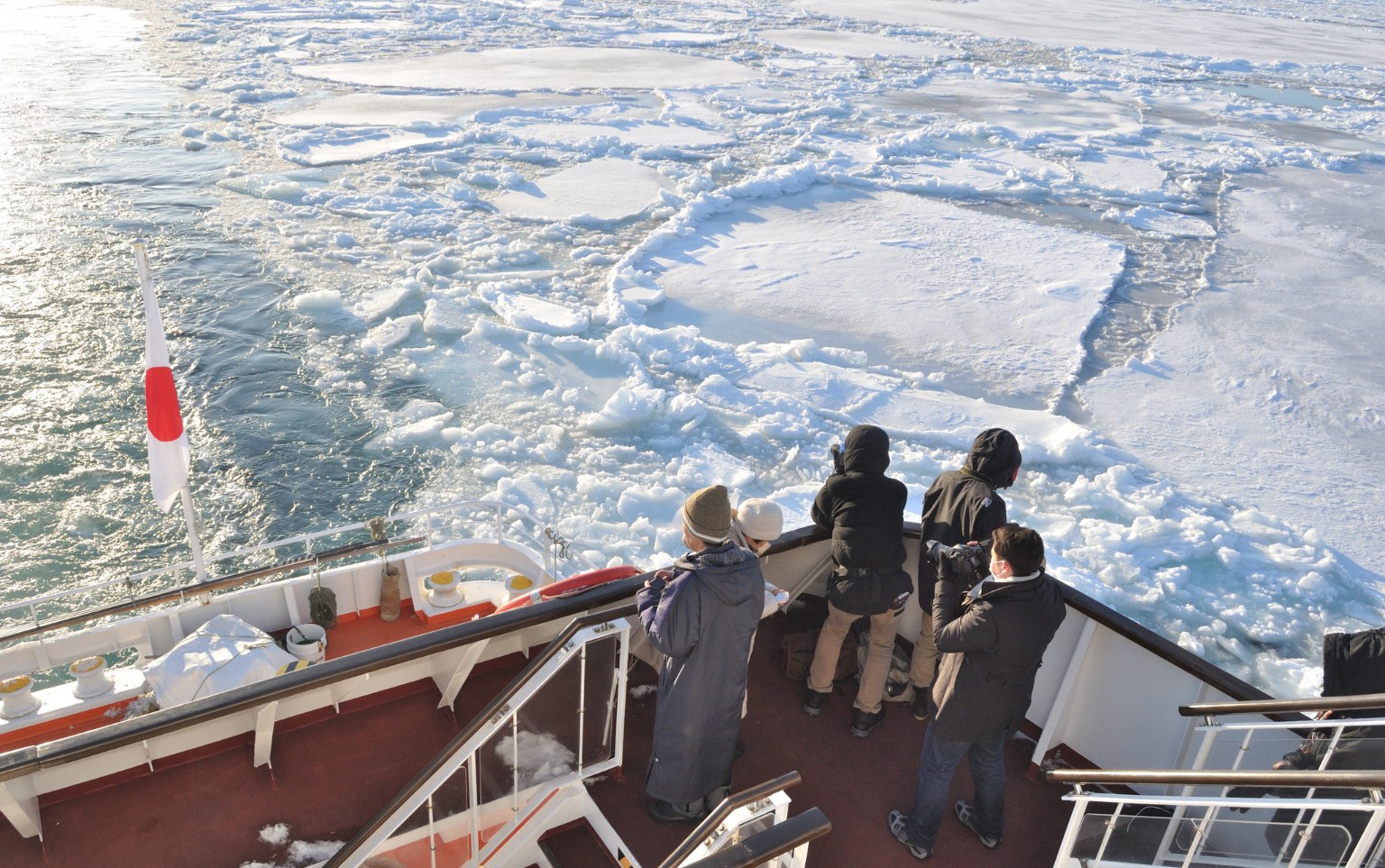
An icebreaker cruise ventures into the frozen Sea of Okhotsk, letting you view rare drift ice up close from a comfortable, safe ship—one of the coast's most unique winter sights.
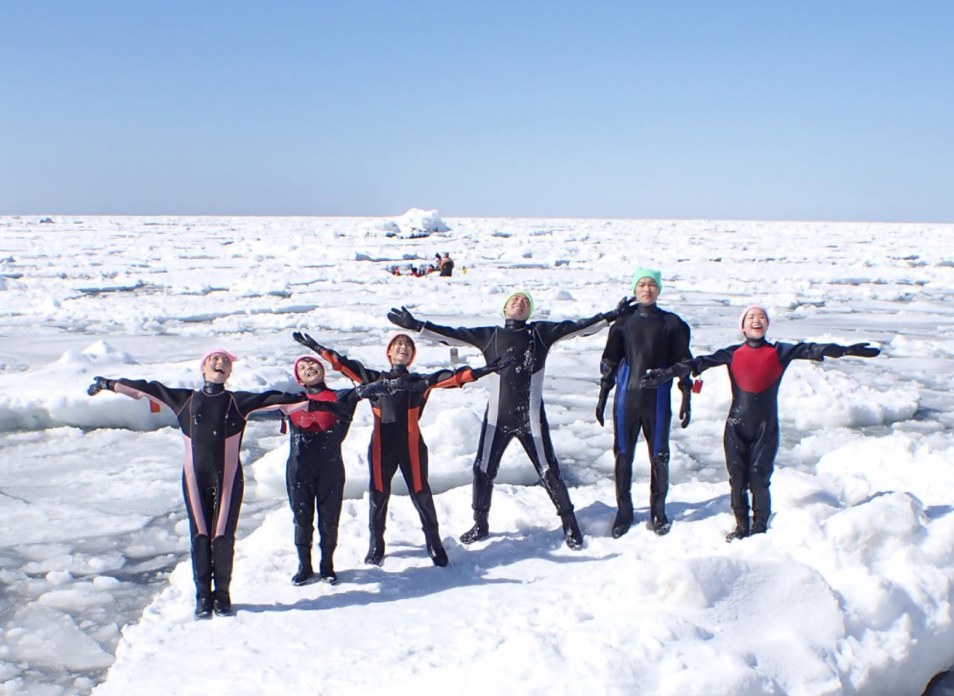
Walk on sea ice in the Sea of Okhotsk for a once-in-a-lifetime experience. Book a drift-ice walking tour to feel the frozen surface up close; the bold can even take a dip in the icy water.
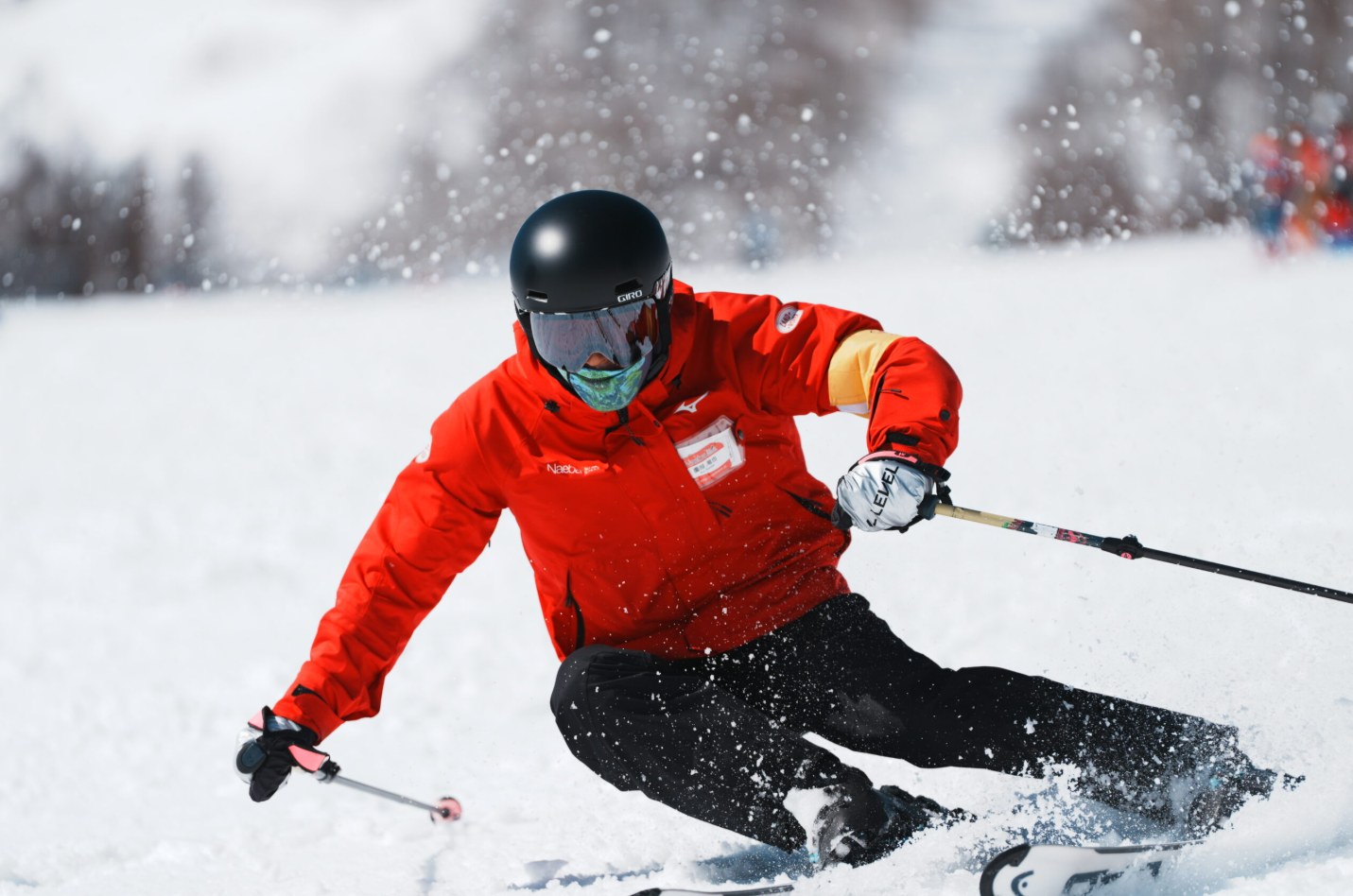
Japan ranks among the world's best ski and snowboard destinations. Cold winds over the Sea of Japan bring heavy snowfall. Resorts range from large Niseko complexes to small onsen villages—ideal for beginners, experts, families, and couples chasing adventure and culture.
Hokkaido's winter offers far more than skiing—snowmobiles, ice festivals, and powder runs all fit. Snowmobiling is a winter highlight: race through white forests and mountains with panoramic snow views, easy enough for beginners.
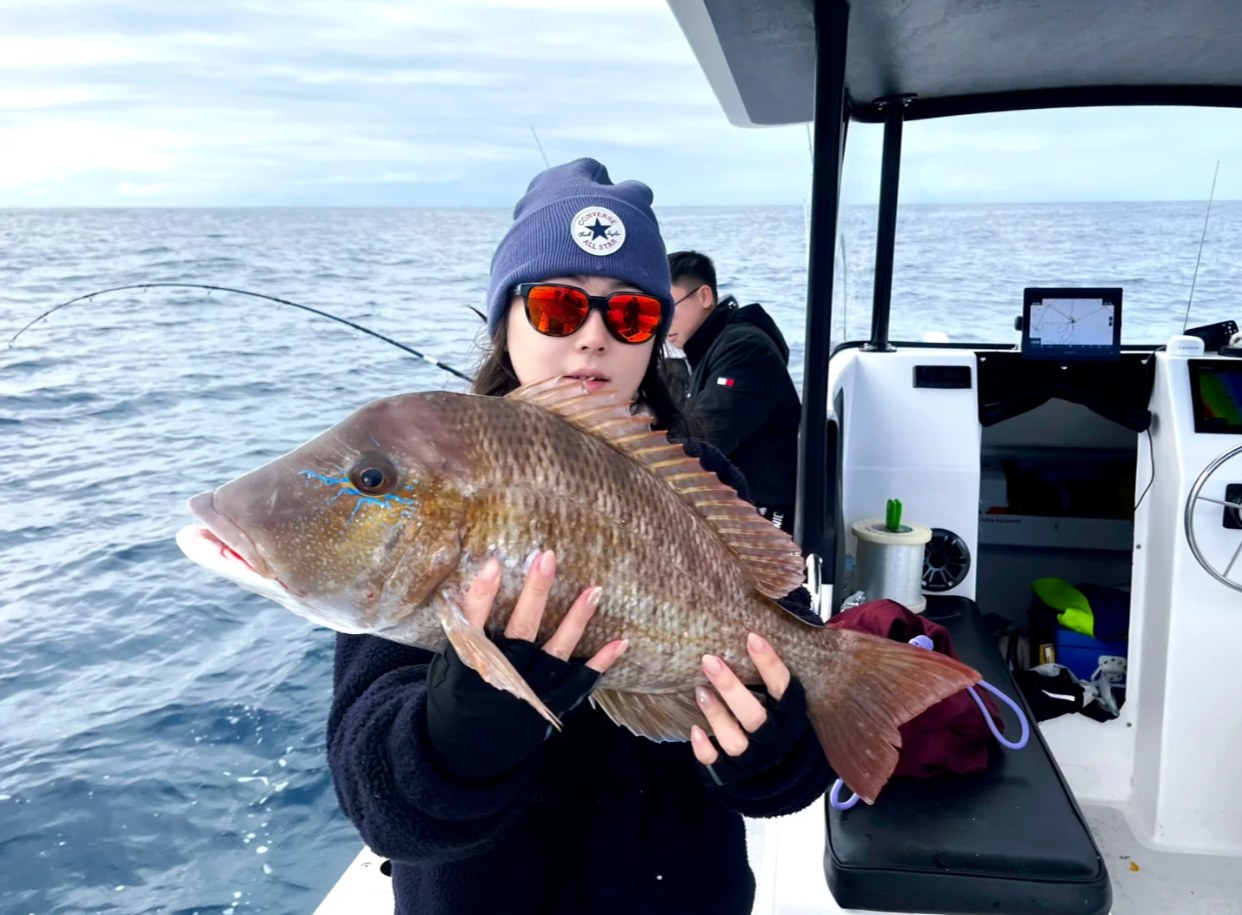
Surrounded by sea, Japan offers rich marine resources—ideal waters for both first-timers and seasoned anglers.
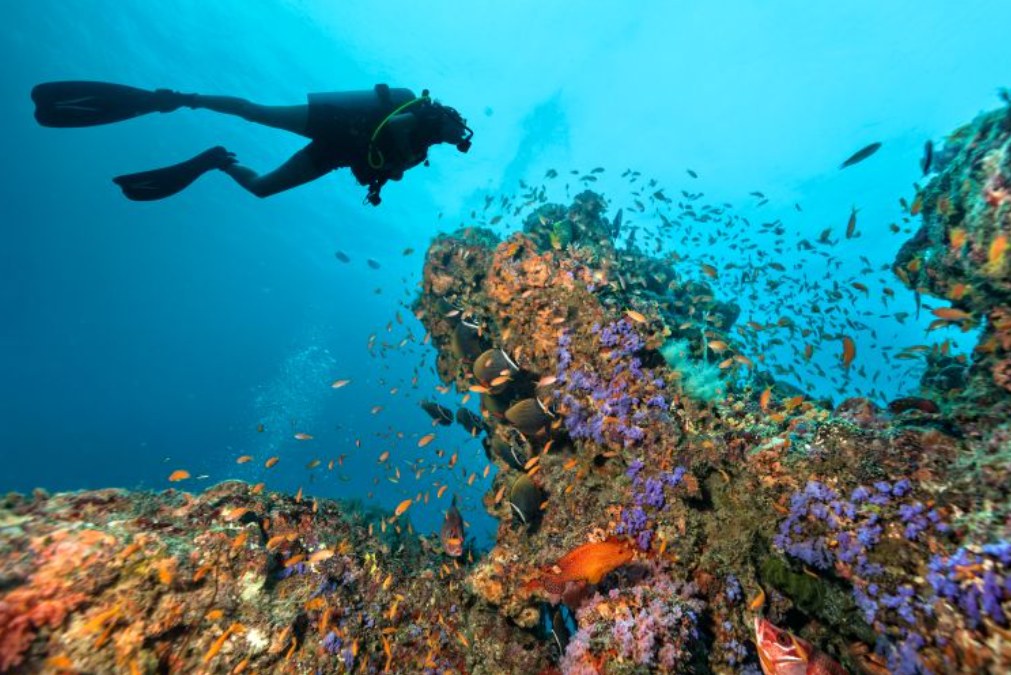
Japan offers diverse dive sites—from ice diving near northern islands to tropical reefs in the south. Try wreck dives or cave sites like Blue Cave off Okinawa (Onna). For surface swimming, islands such as Ishigaki offer excellent snorkeling among colorful coral and marine life.
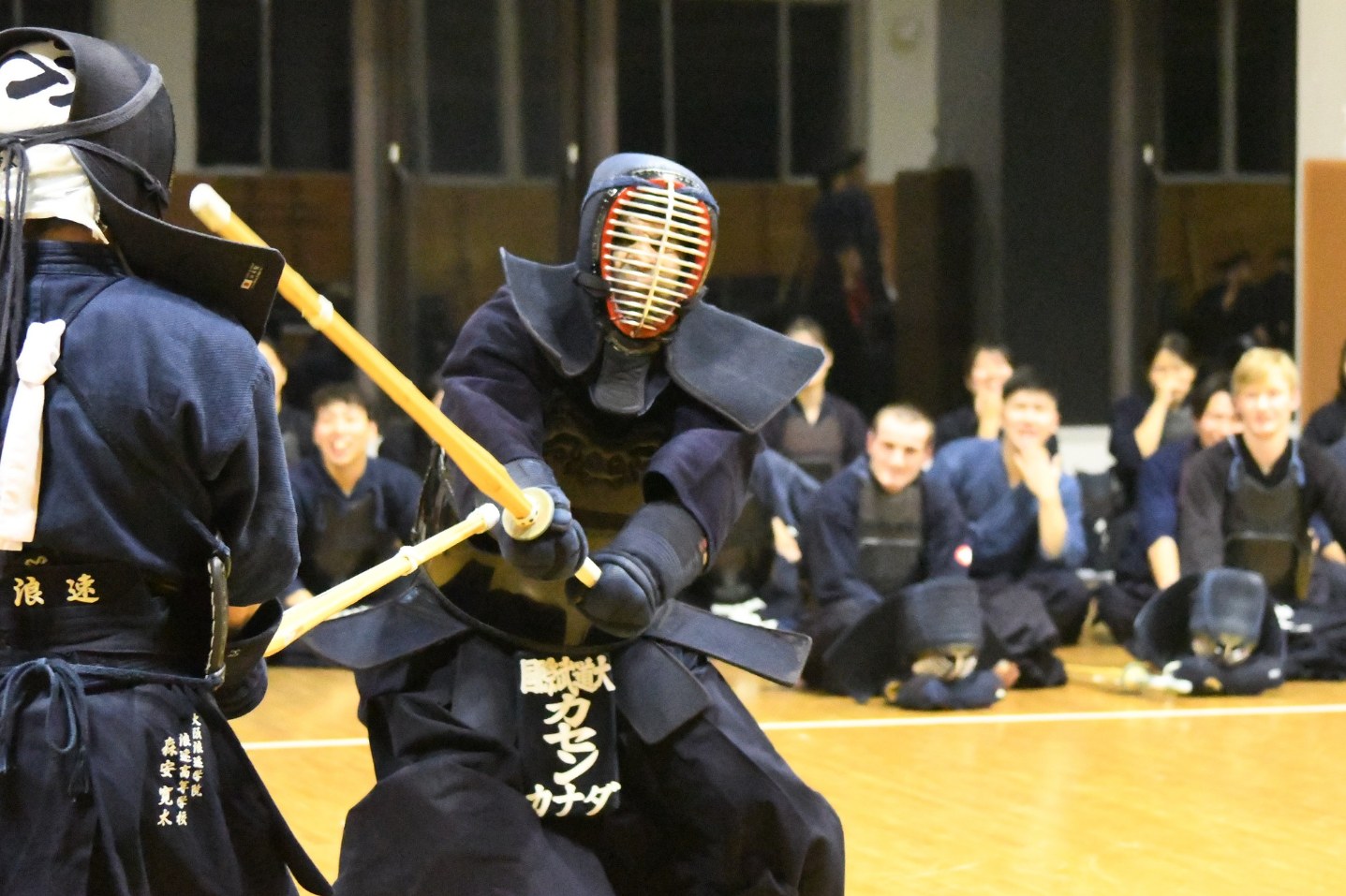
Trying kendo in Japan is a deep cultural experience—wear the armor, step into a “samurai” mindset, and feel traditional budo spirit and etiquette first-hand.
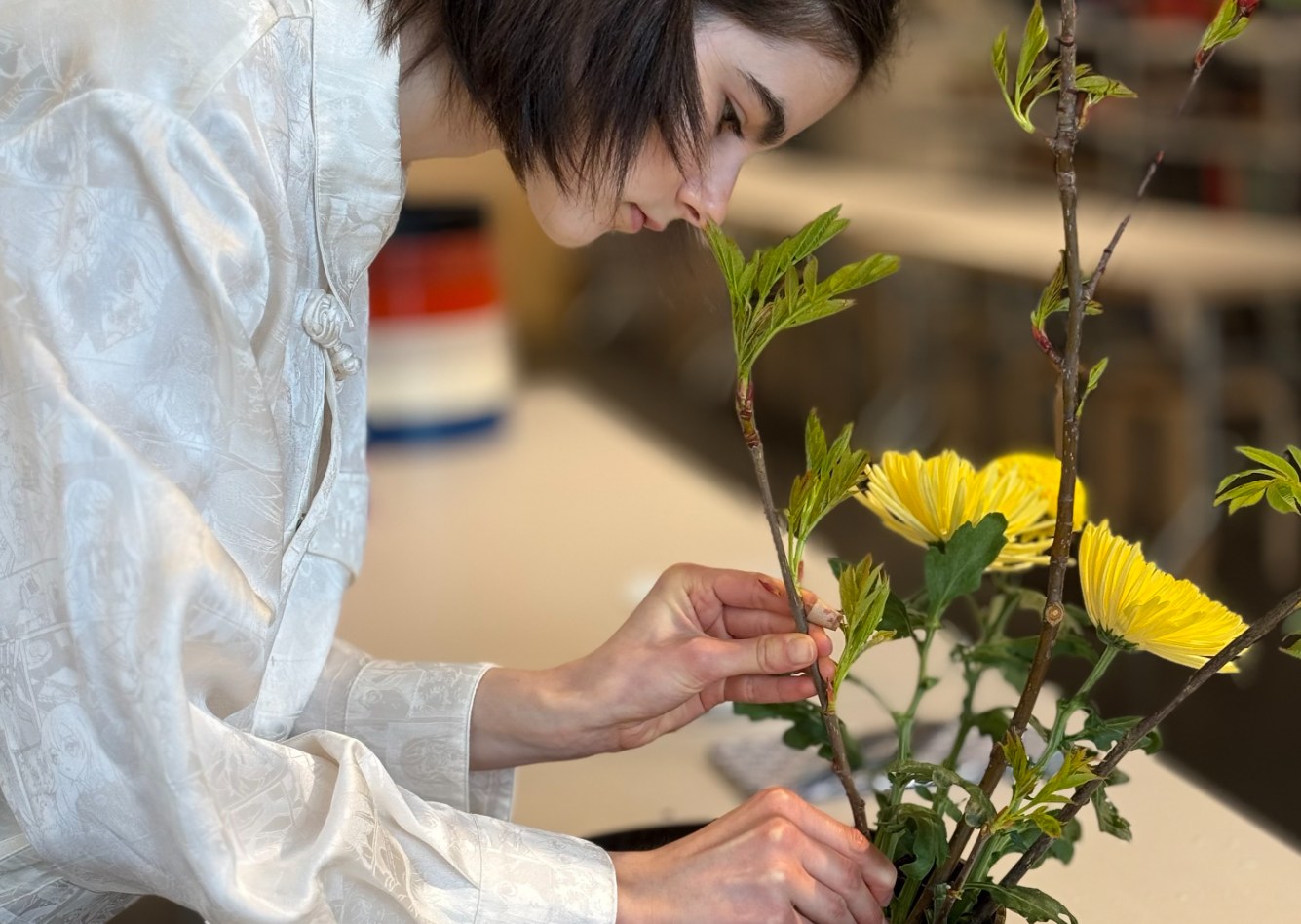
Japanese flower arranging is more than decoration—it blends nature, philosophy, and spatial aesthetics. Learning school styles and booking tips deepens the experience.
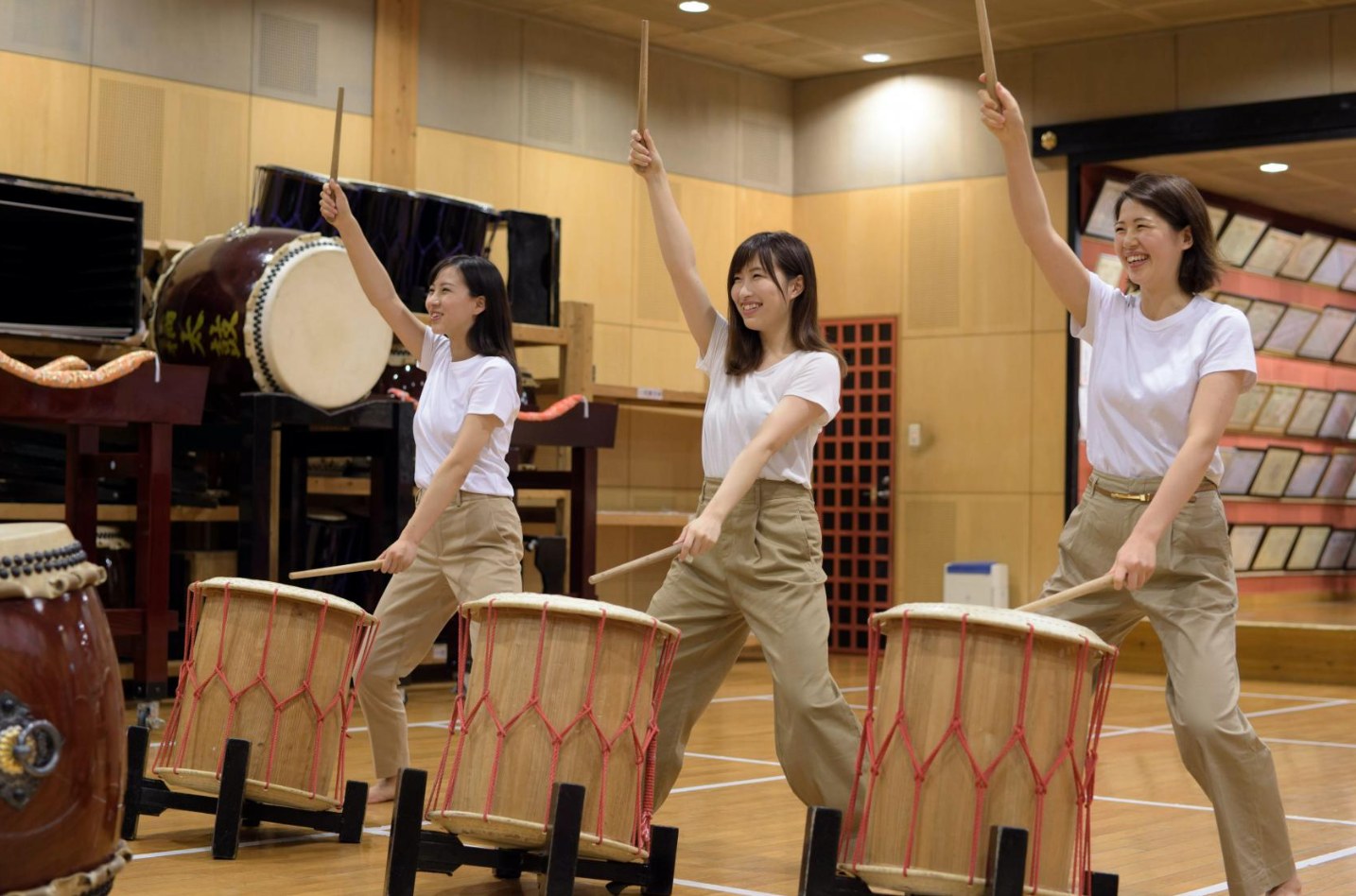
Experiencing wadaiko is a powerful cultural journey—strike thunderous drums yourself, watch top performances, or even craft a drum.
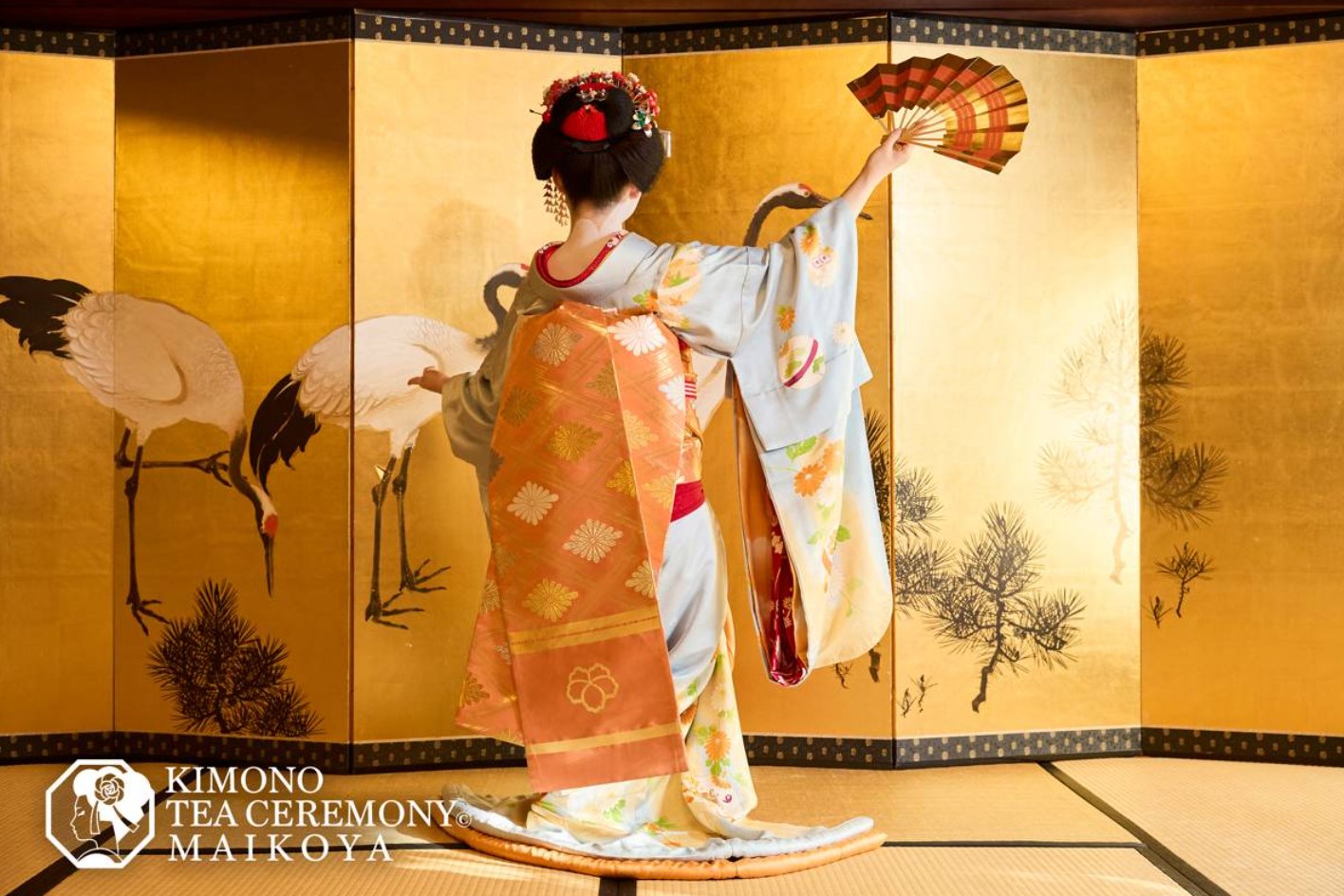
Geisha are rigorously trained performing artists of Japanese tradition, skilled in dance, music, tea, flower arranging, and hospitality, entertaining at banquets and teahouses.
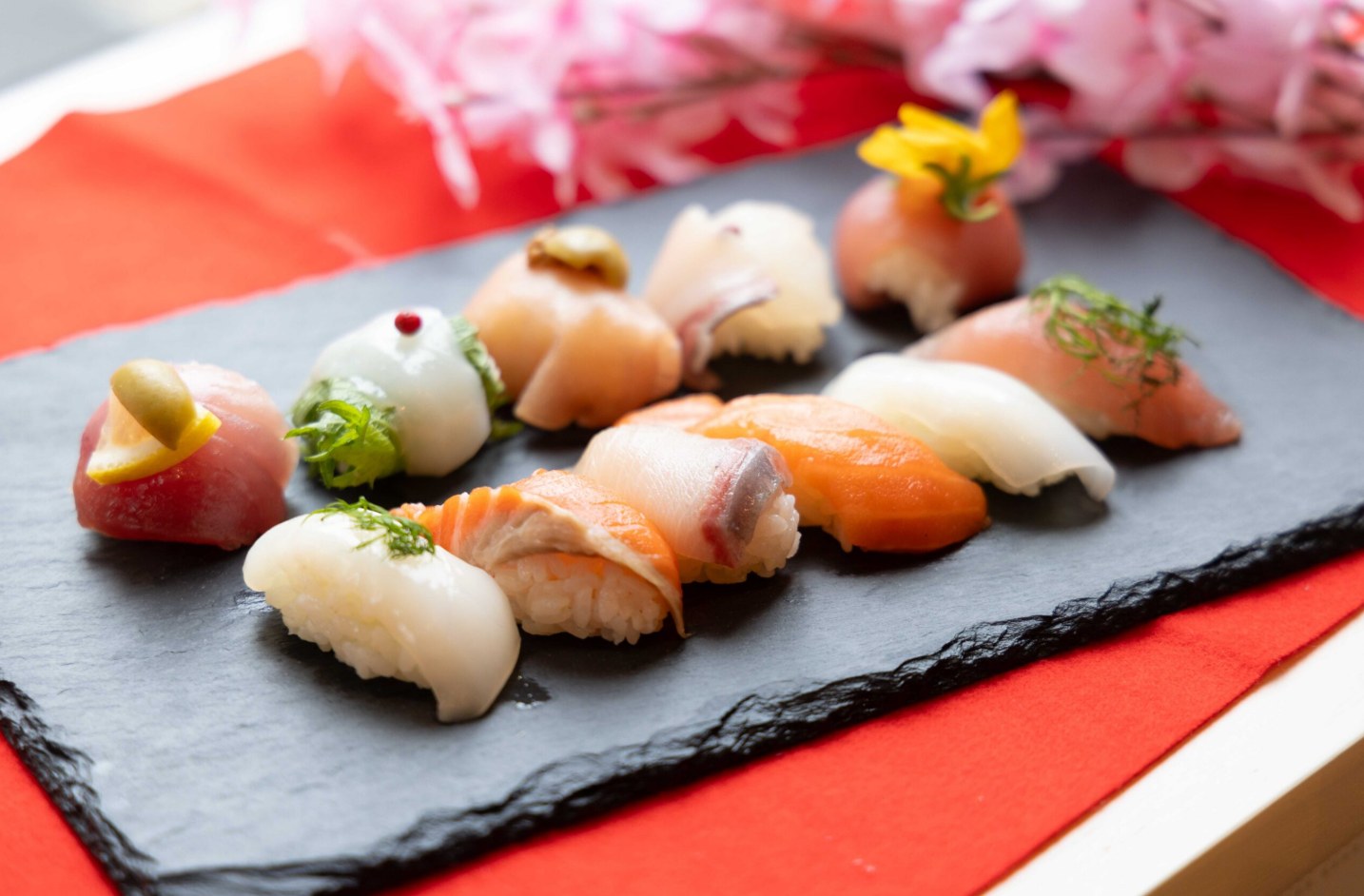
Sushi-making classes are popular deep-culture activities—shape authentic nigiri yourself and learn more about Japanese food culture.
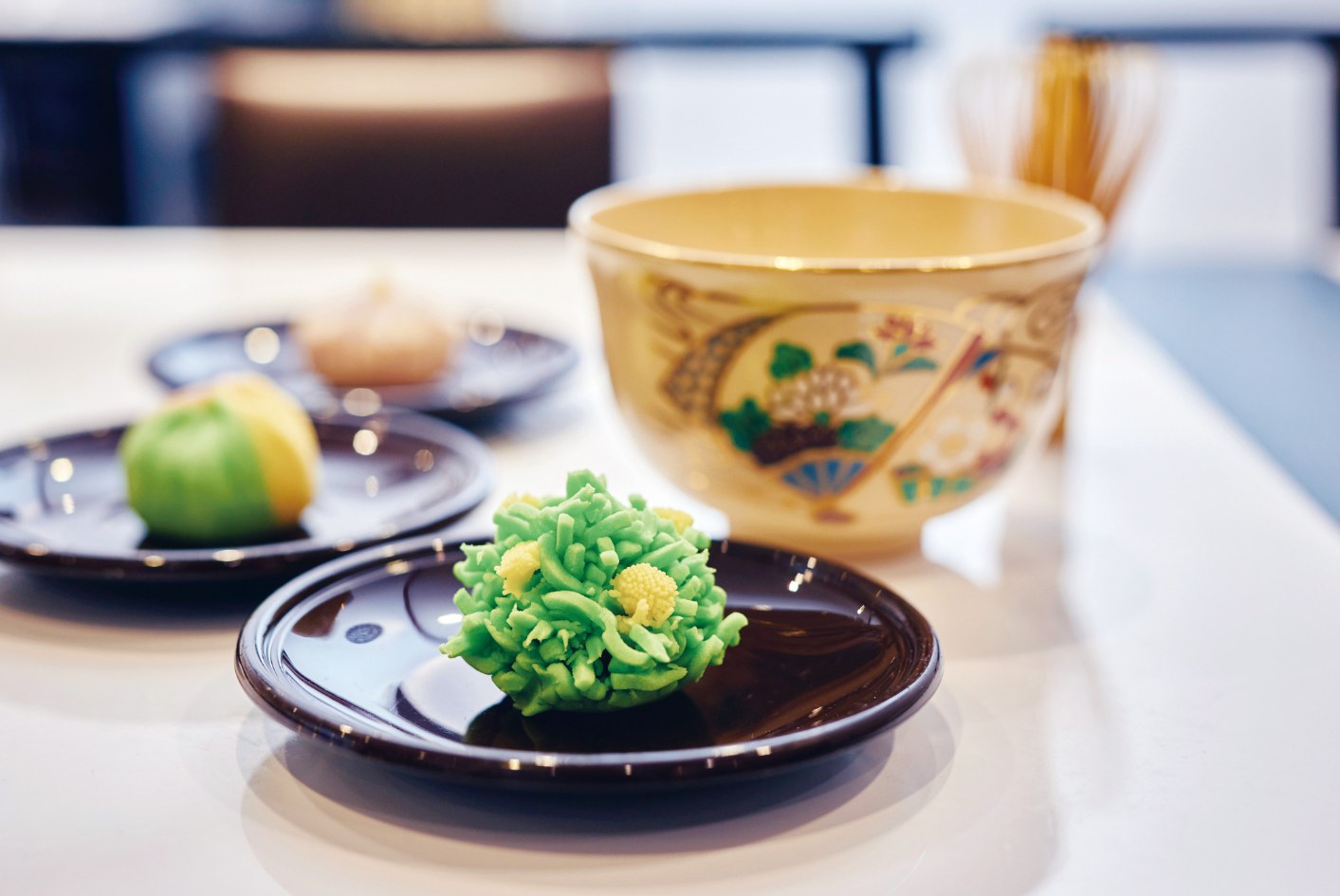
Wagashi are refined tea sweets and edible art shaped by seasonal aesthetics and craftsmanship, respecting natural flavors and subtle colors.
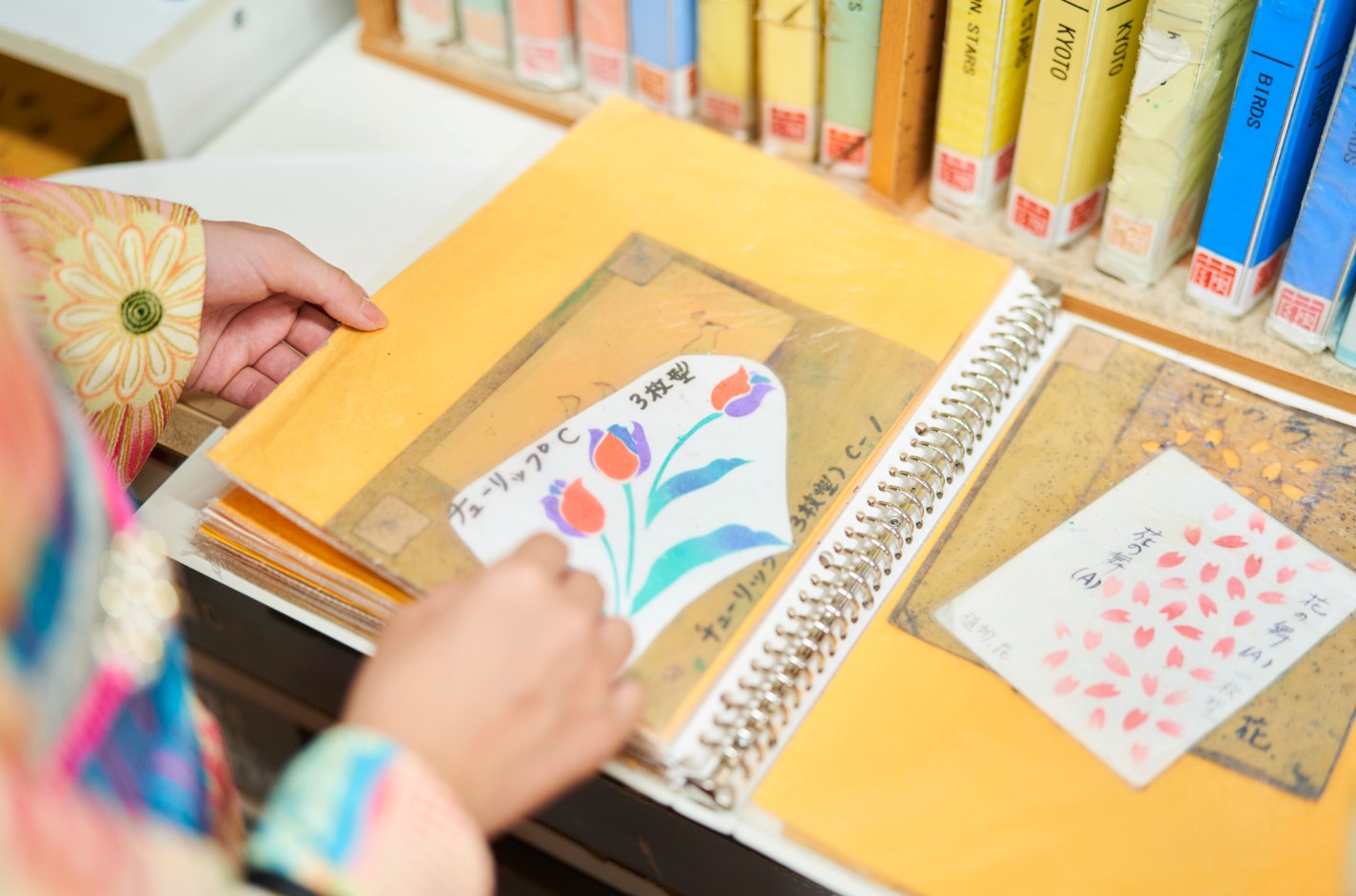
Kyo-yuzen is Kyoto's signature textile dyeing, born in the mid-Edo period when fan painter Miyazaki Yuzensai applied fan designs to kimono cloth. Hand-painted patterns, soft gradients, and courtly elegance make it a peak of kimono culture.
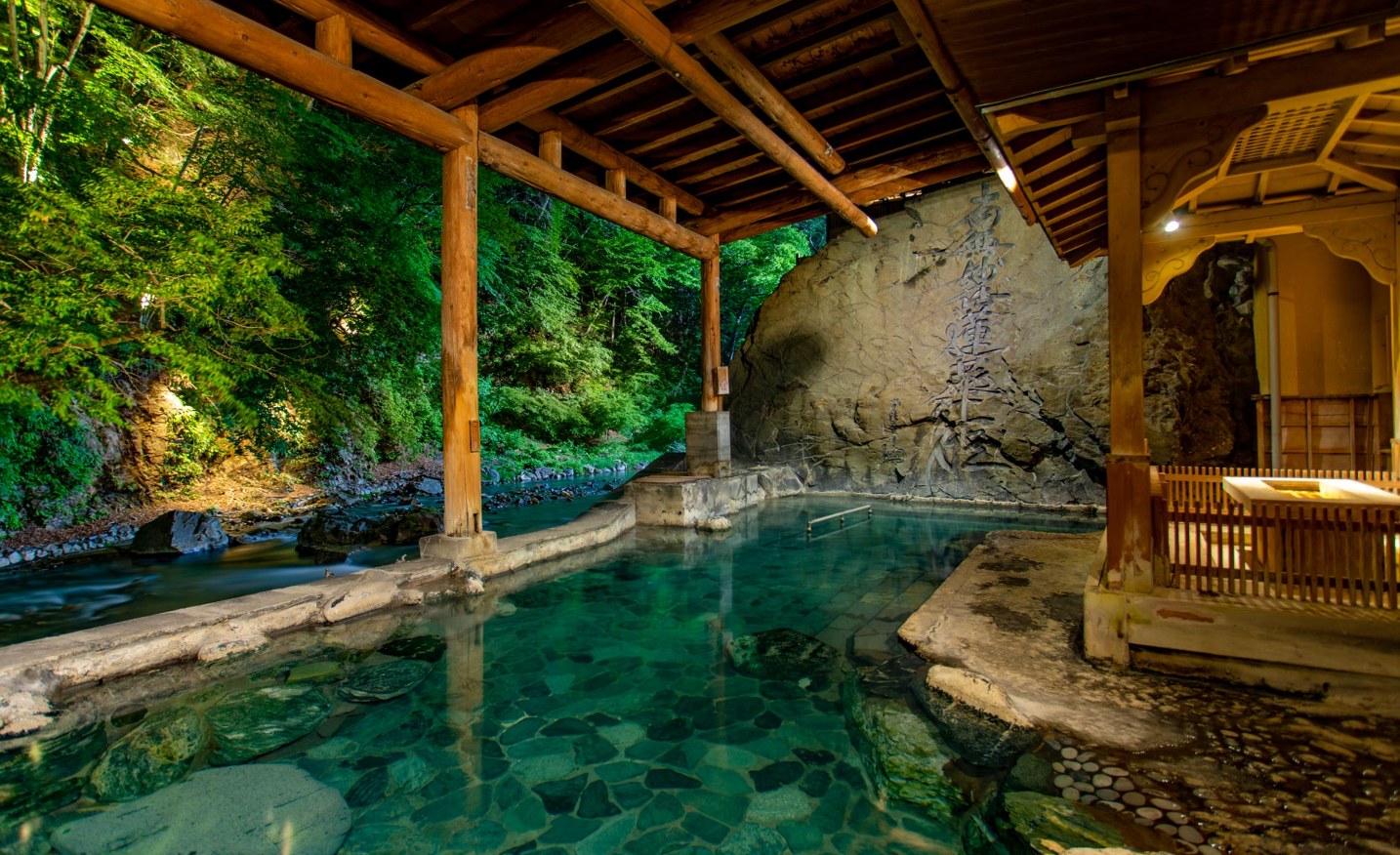
Popular onsen towns can be packed. If you prefer quiet, skip the crowds for well-reviewed hidden hot springs—often the most rewarding soak of the trip.
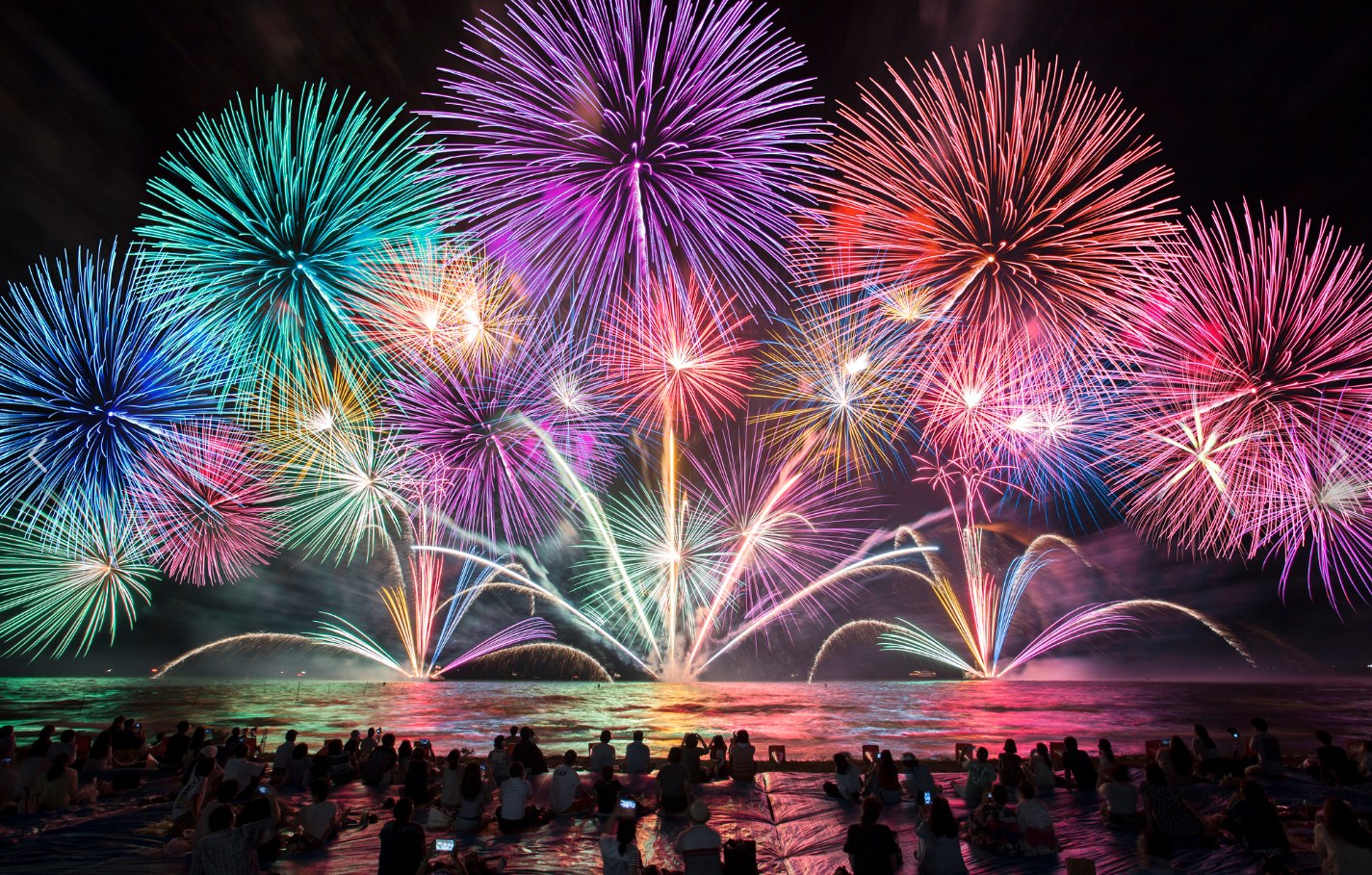
Hanabi festivals have continued since the Edo period, with over 5,000 events nationwide each year, peaking in July and August. Night stalls, traditional dress, and music create a distinctive summer atmosphere.
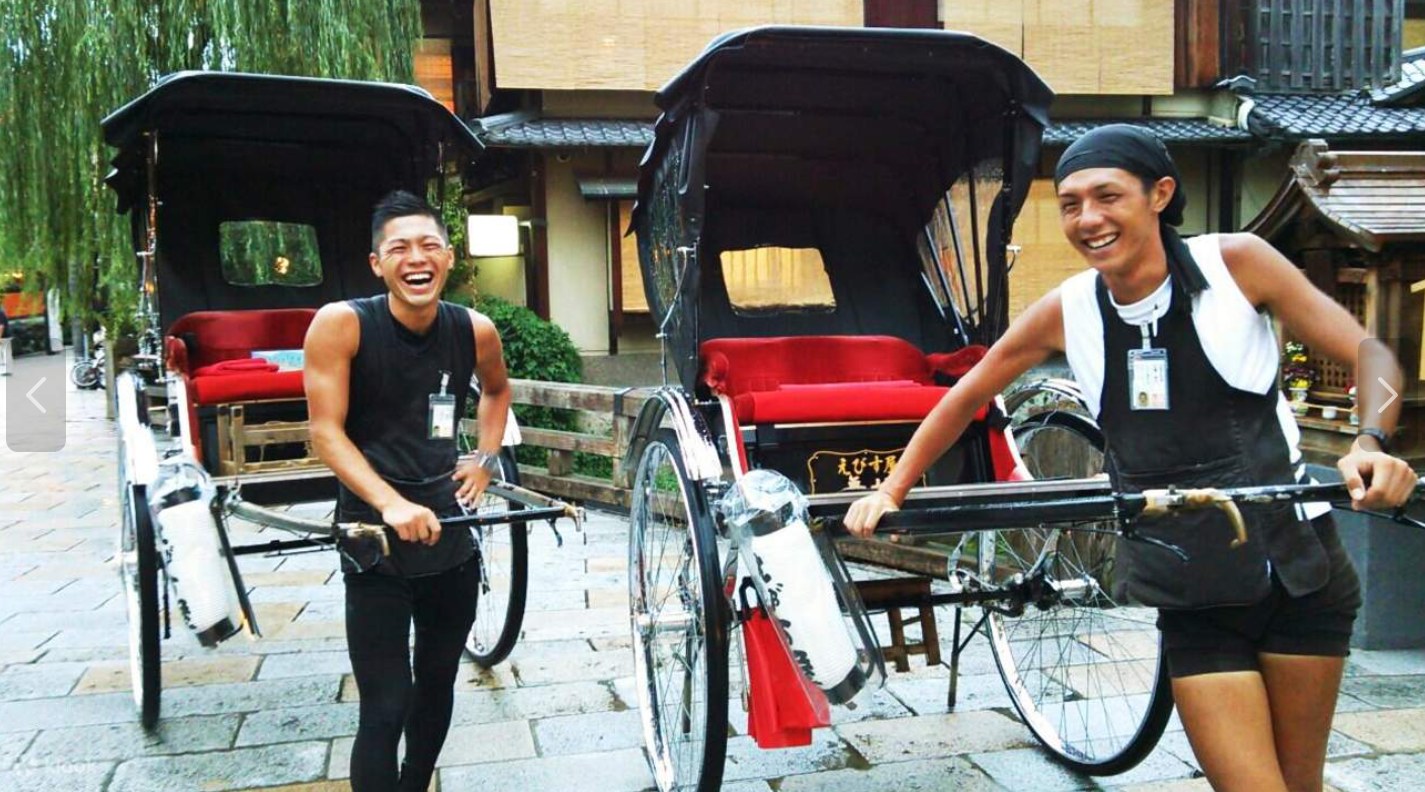
Japan's rickshaw began in the early Meiji era (around 1868) as short-trip transport in cities like Tokyo and Kyoto. After cars and bicycles took over daily travel, it survived as a cultural experience at major tourist sites.
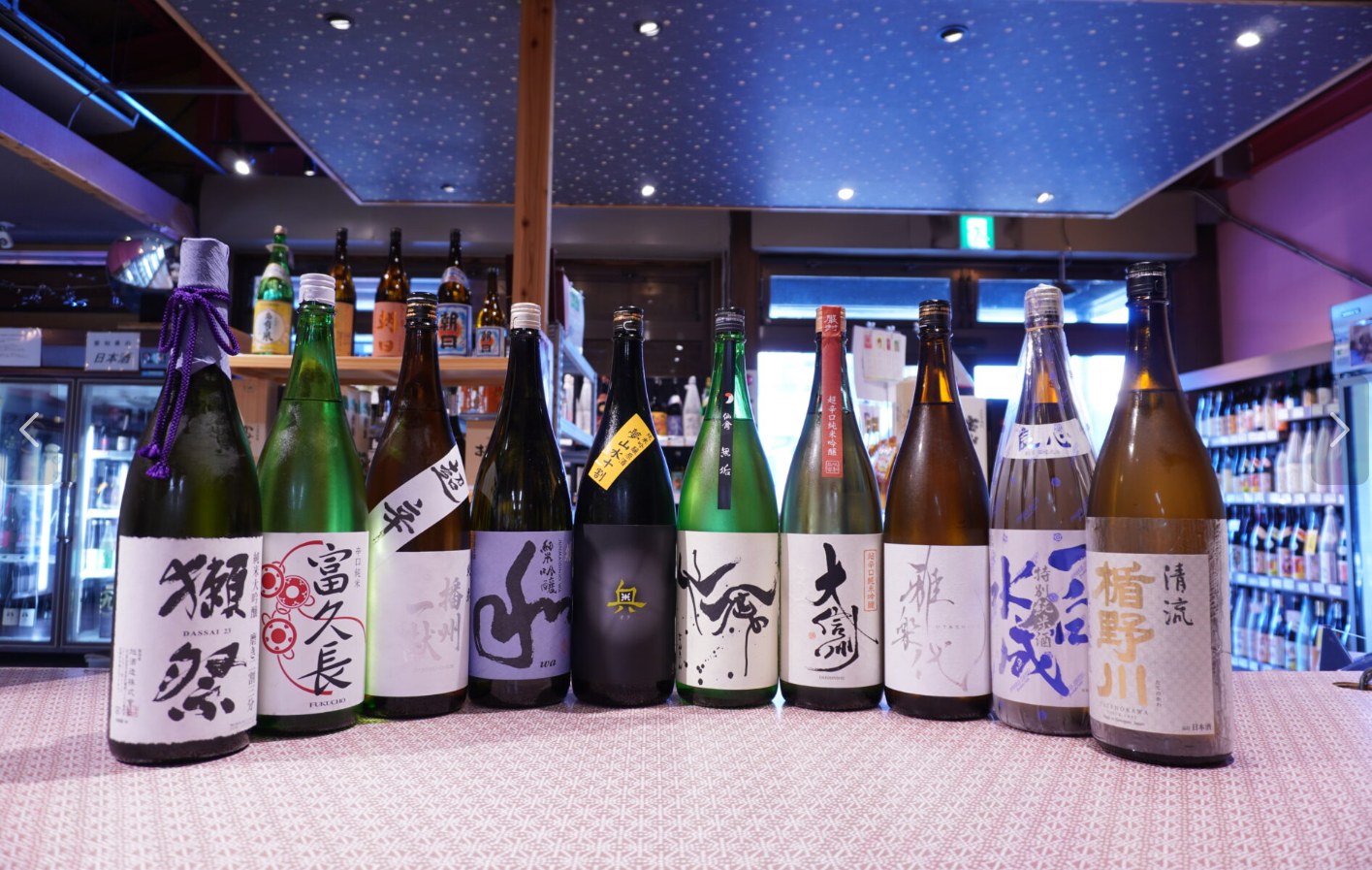
Brewery tours open a window on traditional Japanese brewing. Traditional sake, shochu, and awamori production was inscribed as UNESCO Intangible Cultural Heritage in December 2024. Visitors can tour kura and follow the process from koji to moto to moromi.
In Japan, “garasu” means glass. Japanese glassmaking blends Western techniques with extreme craftsmanship—from carved art pieces to warm blown vessels of high aesthetic value.
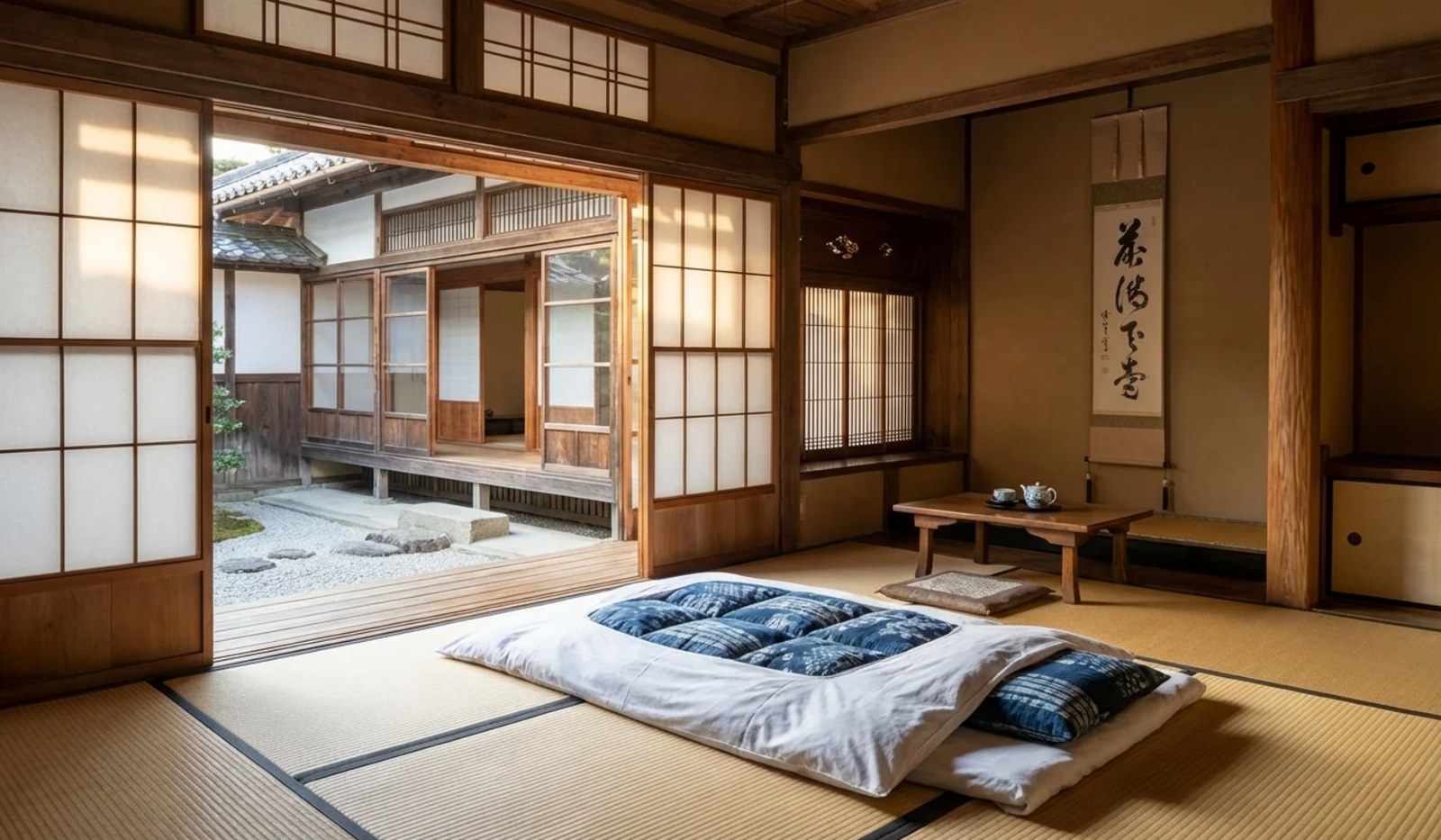
Shukubo lodging lets you share monastic routines, vegetarian shojin cuisine, and dawn services—a restorative “mental reset.”
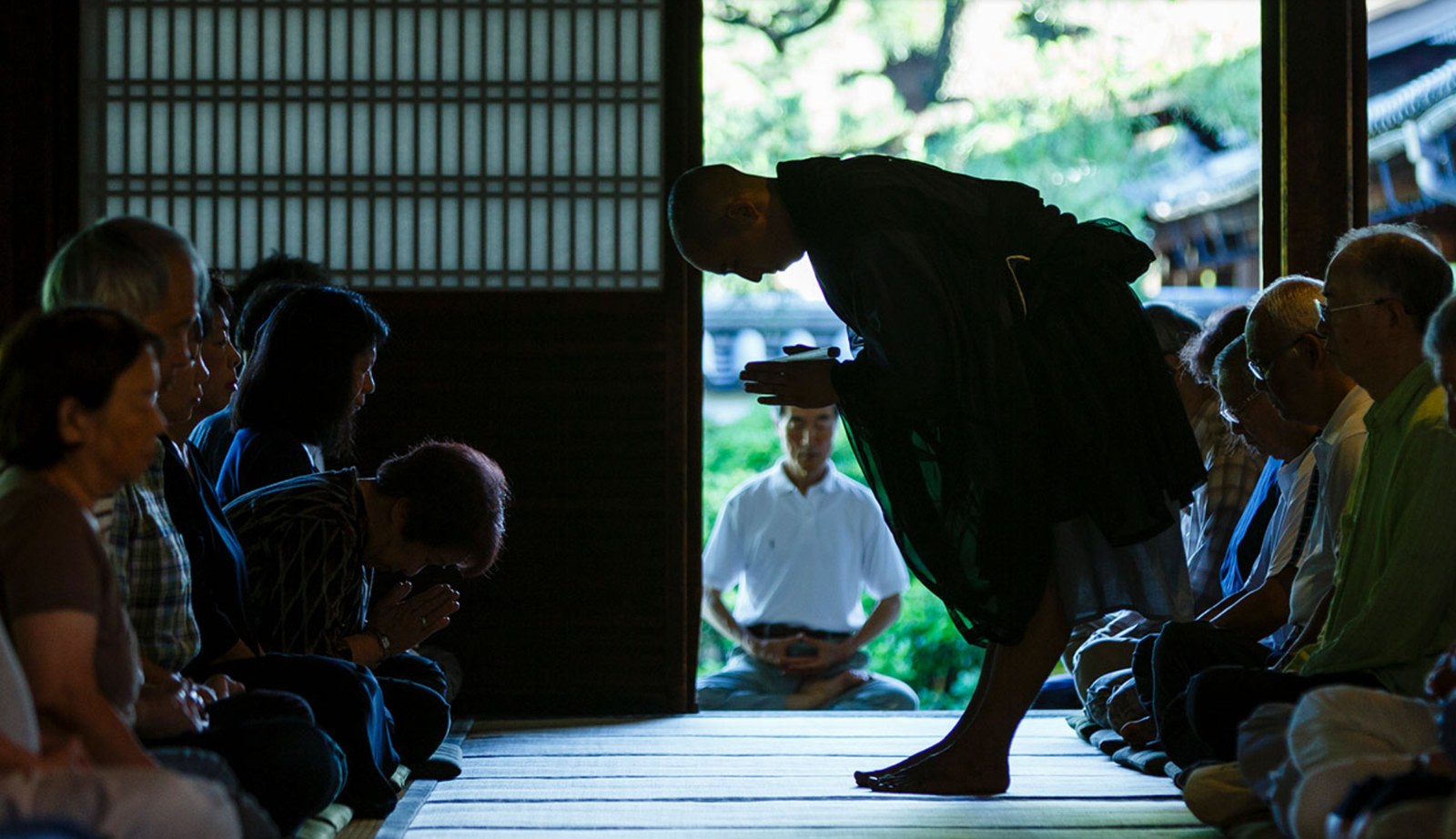
Zen practice is a popular deep-travel style: experience temple culture while easing body and mind. Whether a short zazen session or an overnight stay, Japan has mature options.
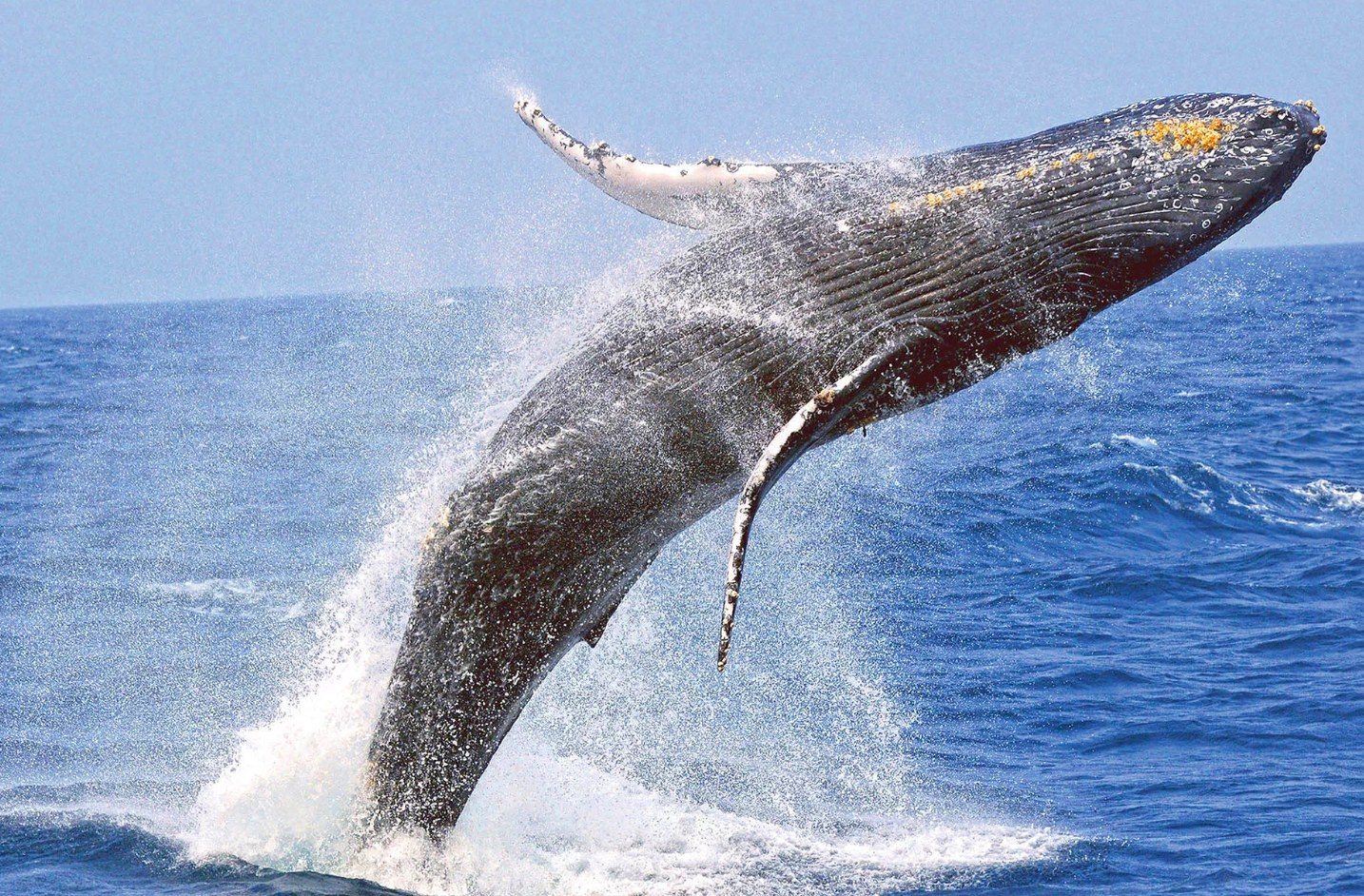
Japan is among the world's top whale-watching destinations; different seasons and seas reveal different species.
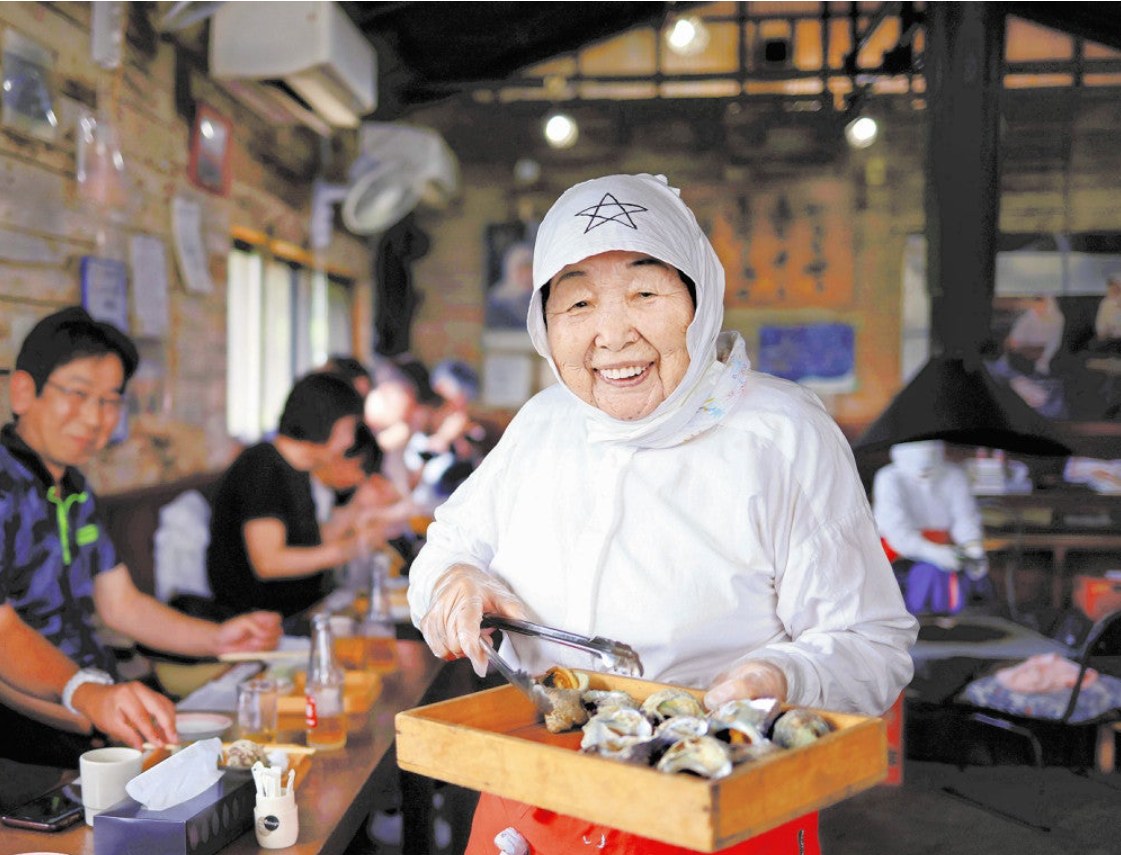
Ama huts are rest and warming spots for ama divers and a window into Japan's ocean traditions. Ama dive free-hand without breathing gear for abalone, shellfish, and seaweed—a practice over 2,000 years old. The hut is their social and cultural hub.
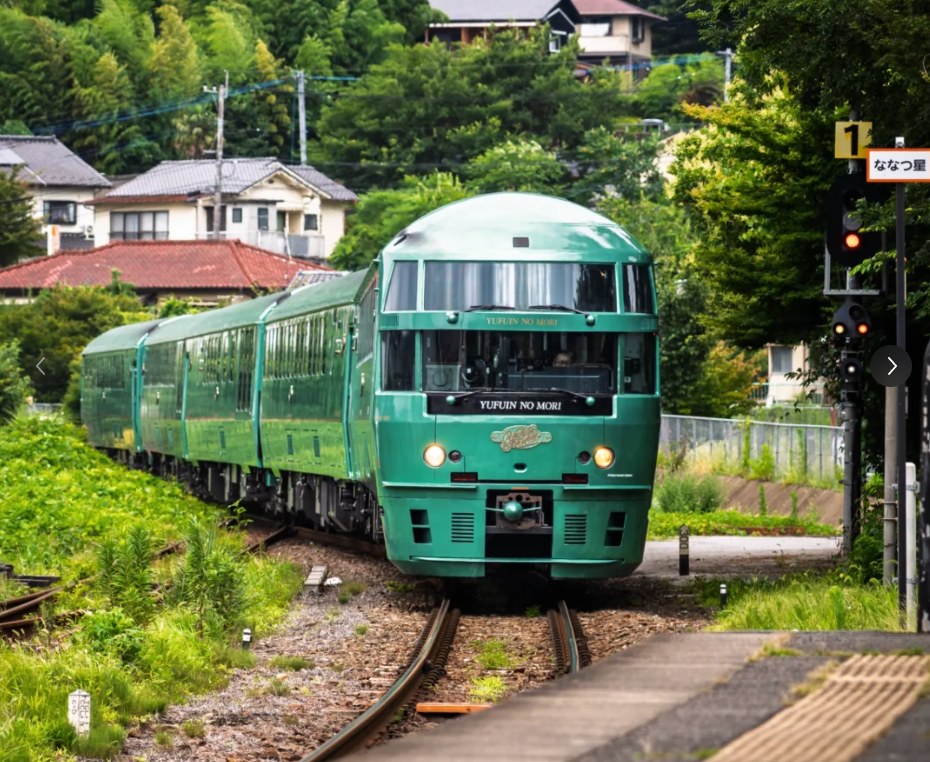
Among ways to reach Yufuin, the “Yufuin no Mori” train is a favorite. This beautifully designed sightseeing train is a Kyushu icon and almost essential for Yufuin trips—car interiors, local foods, and window views are unforgettable.
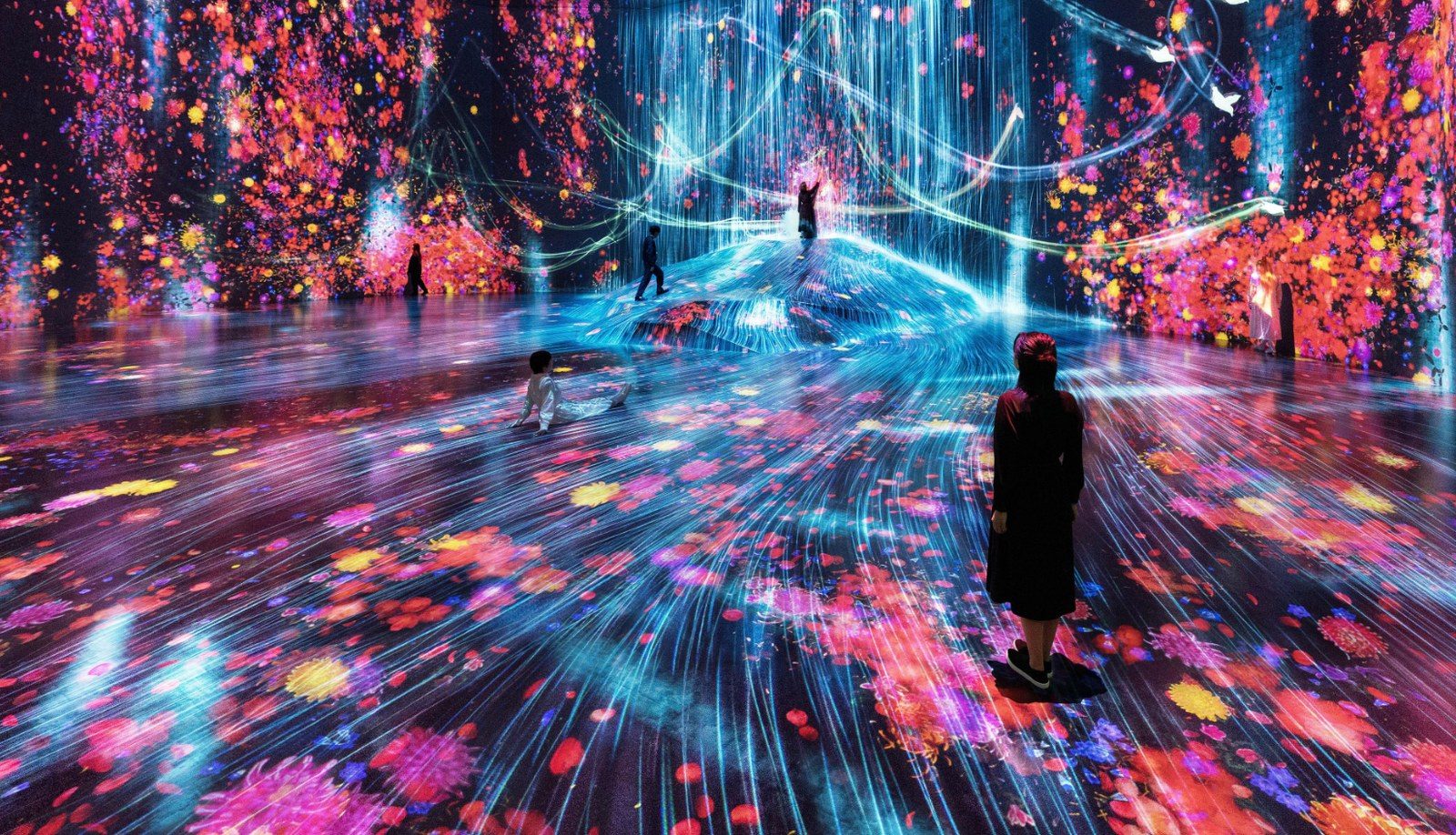
teamLab Planets TOKYO DMM is a Guinness World Records museum with the most visitors for a single art collective. It has twice won the World Travel Awards “Asia's Leading Tourist Attraction,” often called the Oscars of travel.
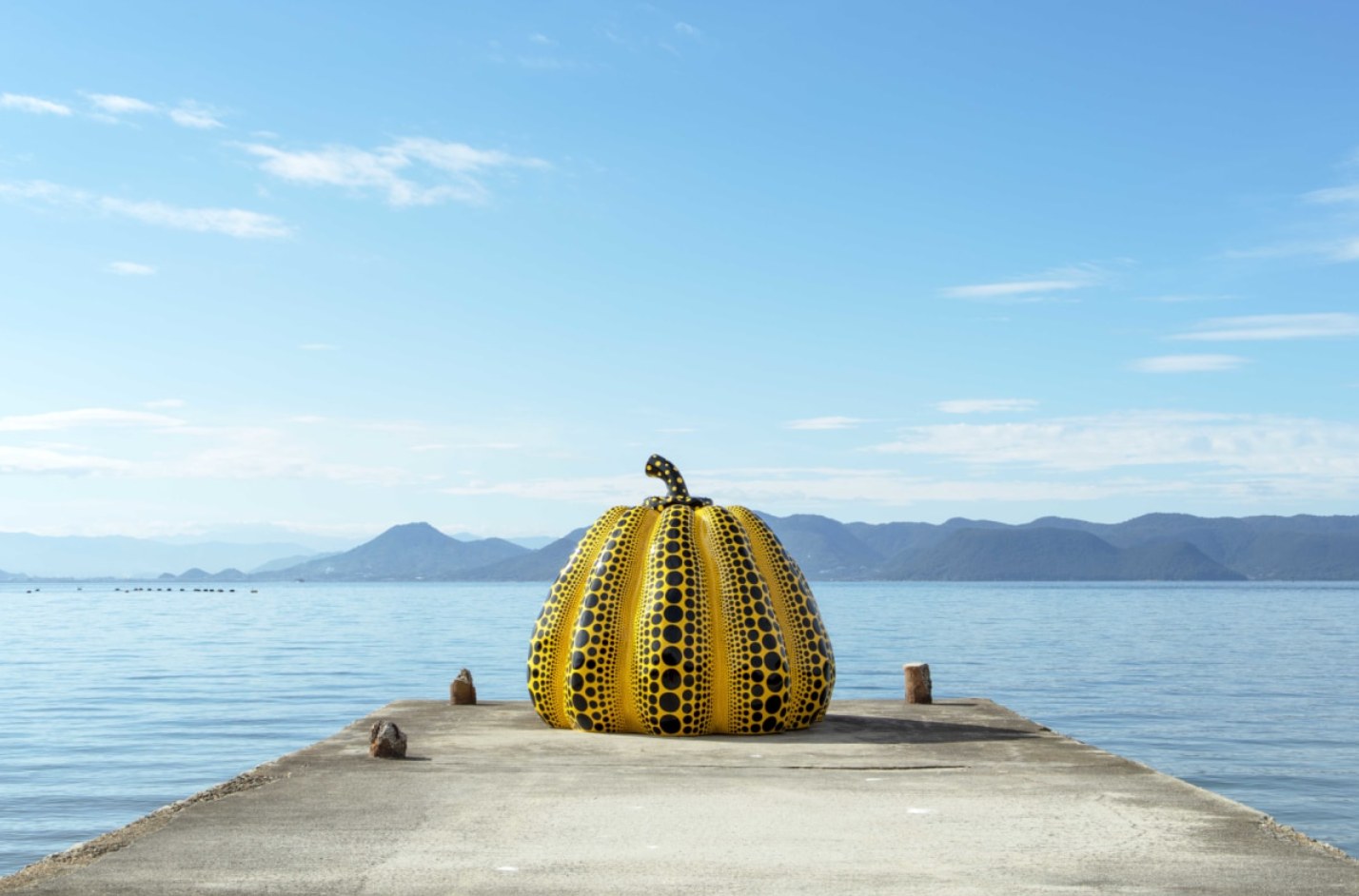
Held every three years since 2010, the Setouchi Triennale turns 12 islands into stages for contemporary art. Curated by Fram Kitagawa and featuring artists such as Tadao Ando and Yayoi Kusama, permanent works like Naoshima's Yellow Pumpkin merge art with landscape under a “sea revival” vision of community and ecology.